
Last Updated on October 31, 2026 1:57 pm by INDIAN AWAAZ
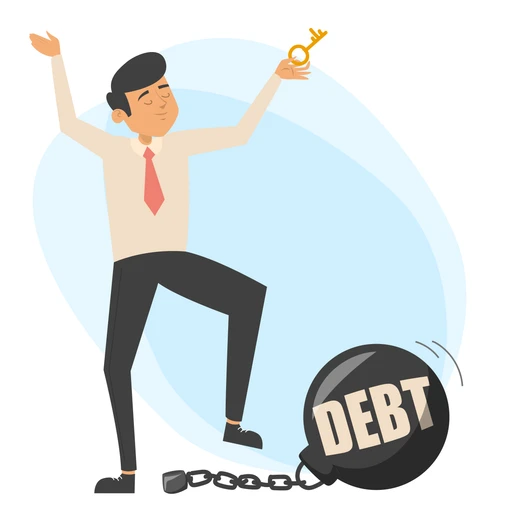
It starts small. One card bill here, a quick app loan there, a personal loan for a wedding. Soon you track five due dates and pay late fees on two of them. A Debt Consolidation Loan in India can help you out with this problem. Whilst this sounds like a great idea to simplify your payment, let’s see when this will work for you.
Debt Consolidation and How Does It Work
Debt consolidation is when you take out one new loan to pay off several loans. After that, you repay only the new lender. You make one payment a month at one time. This loan will mostly be an unsecured personal loan meaning you won’t have to offer any of your assets such as your home or gold. You’ll need to have a good income, credit history and current liabilities to get approved. The loan will then be based on how much you can borrow, at what rate and for how long.
Which Debts Can You Combine Into One Loan?
Firstly, make a list of everything that you currently have. This will include most unsecured loans so your credit card balances, personal loans and app loans can all be covered under a Debt Repayment Loan. Some people also include small BNPL payments. However, secured loans such as mortgages or car loans are typically kept as they are. These will have collateral and a lower rate. Make sure you list all your debts and what they are owing, rate and EMI.
Can One Loan Actually Make Monthly Repayments Easier?
Often yes! If you have three loans, that total ₹3,00,000 and an average rate of 30% per annum, you’ll be paying around ₹16,774 per month over 24 months. A single loan at 18 per cent over the same period works out near ₹14,976 a month. That is a saving of nearly ₹43,000 in interest overall. These are example figures only. Your offer may be higher or lower.
The bigger gain is calm. One date, one amount, fewer missed payments. However, this will depend on the rate you’re getting. So, it is definitely worth a visit to Personal Loan Interest Rates in India.
When Does Debt Consolidation Make Financial Sense?
When your new rate is obviously below the average rate you are currently paying, it makes sense. If you have high interest card debt that is continuously increasing, or you have multiple payment dates which causes late fees, you’ll need a stable income and intend to stop borrowing. Without that, consolidation only clears space for more debt.
When Can Consolidating Debt Cost You More?
The longer the tenure, the lesser the EMI and the greater the interest. Using the same example with ₹3,00,000 but at 18% for 3 years, you’ll be paying around ₹10,846 per month but will have paid around ₹90,400 in interest. Whereas over 24 months you’d have paid around ₹59,400. You may also have additional fees such as processing fees, late fees and prepayment fees. If you’re still using your old cards this won’t help.
What Should You Compare Before Choosing a Consolidation Loan?
Shop around for the best Debt Consolidation Loan in India. Check out the rate, processing fees, loan term, prepayment options and any late fees. Is the rate fixed or decreasing? Make sure you’re looking at the overall cost as a small difference in the rate can mean thousands of rupees over 2 years.
| Factor | What to Check |
| Interest rate | Compare the new loan rate with the rates on existing debts |
| Monthly EMI | Check whether the payment fits your monthly budget |
| Repayment tenure | Understand how the loan term affects total interest |
| Processing fees | Include upfront charges in the overall cost |
| Foreclosure charges | Check whether closing existing loans early involves fees |
| Late payment penalties | Review the consequences of missing an instalment |
How Can You Check Whether You Can Afford the New EMI?
Calculate your monthly income and take away your rent, food, bills and other expenses. What remains is your room for EMI. As a general rule, you want to keep your overall EMIs to around 40% or less of your income. Use an EMI calculator to try different amounts. Olyv’s calculator, for example, lets you choose a tenure from 2 to 24 months. Leave a little buffer.
What Role Do Credit Scores Play in Debt Consolidation?
Having a good score can help you get a better rate on your Debt Repayment Loan. Check your score. Lenders will also look at your repayment history and how much you’re using of your credit card limit. Paying the new EMI on time can help your record over months. But do not assume it will raise your score. Many fresh loan enquiries in a short time may lower it for a while.
How Can Borrowers Explore Debt Consolidation Through Olyv?
Olyv is an online platform where borrowers can connect to bank and NBFC lenders. These loans are unsecured so you won’t have to put down any collateral or guarantor. You apply online and complete your KYC with your PAN and Aadhaar. You’ll need to provide your bank statements or proof of income. You should be an Indian citizen aged 21+. Whether you get approved, what rate you get and how you’ll repay will be based on the lender’s decision. Offers will vary between lenders. No platform can guarantee you’ll get a better rate or score. Be sure to read the offer thoroughly. Do a comparison of Personal Loan Interest Rates in India.
What Steps Should You Take Before Applying for a Loan?
- List out your debts and rates.
- Check your credit score and correct any issues.
- Figure out the amount you can afford to pay.
- Get a quote from 3 lenders or more.
- Check there are no hidden charges.
- Make sure you intend to pay off your old accounts.
A Simpler Repayment Plan Needs Careful Calculation
Having one loan can be easier but you need to ensure the numbers work. The lower the rate, the sensible the term and you need to stop borrowing. Tap on the EMI calculator and make use of it. Try 3-4 scenarios. Don’t go for anything that sounds too good to be true. Remember this is just moving your debt and won’t remove it. Your habits will determine whether this will work for you. If you do decided to go ahead, make sure you’re getting a Debt Consolidation Loan in India that you can afford to pay back comfortably. Set up auto-debit, note the dates and pay on time. Go slow and steady.
———————————-