
Last Updated on October 17, 2025 11:39 pm by INDIAN AWAAZ
Asha Ramachandran
Even though Kerala is a popular destination for medical tourism, there are several hurdles that need to be sorted out, a recent health seminar held in Kochi has underlined. These include visa flexibility, lack of accredited interlocutors to assist the medical tourists and ease in import of medical equipment.
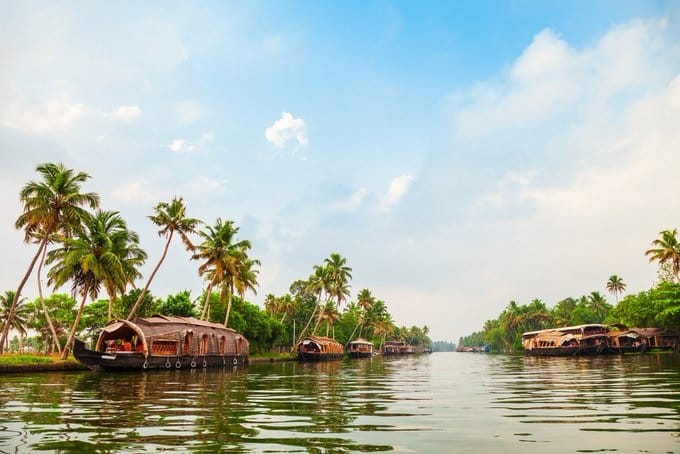
Kerala attracts visitors for its integrated approach to healthcare that combines modern medicine with traditional systems like Ayurveda. This is coupled with the state’s natural beauty, including beaches, backwaters, and sanctuaries, which creates a relaxing environment for recovery and wellness. Key attractions include traditional treatments such as Panchakarma, along with modern services like cosmetic surgery, dental care, and ophthalmology.
Speakers at a National Health Journalists Summit held on 20-21 September agreed that medical treatment in India is cost effective, with good doctors, cutting edge technology and added advantage of wellness. However, they said, in comparison with countries like Turkey and Singapore, medical tourism in India is not much. Government, they felt, had a lot more to do.
According to the Union Tourism Ministry, India has been ranked 10th in Medical Tourism Index (MTI) for 2020-21 out of 46 destinations of the world by Medical Tourism Association. According to the ministry, the country is a top destination due to its world-class hospitals, skilled English-speaking professionals, advanced technology, and a wide range of treatments including complex surgeries, fertility, and traditional Indian therapies like Ayurveda. Key factors driving this growth include competitive pricing, minimal waiting periods, and government initiatives like the e-medical visa that simplify the process for foreign patients.
The market was estimated to be worth around $7.69 billion in 2024. Projections show strong growth, with the market expected to reach $13 billion by 2026 and $14.31 billion by 2029. The industry is supported by the government’s “Heal in India” initiative and is seen as a major foreign exchange earner.
Speaking at the Kochi summit, Dr Sunil Mathai, from the Medical Trust Hospital, Kochi, said facilitation for the medical tourists is at present mostly done privately. “Accreditation for interlocutors is very important as it throws a lot of responsibility and regulation on the part of the government,” he added. “Trust and faith in people approved by government is still there.”
Speaking of the “barriers” faced by medical facilities in Kerala, Dr Sunny P Orathel, Medical Superintendent of Rajagiri Hospital, Kochi, said Kerala had four international airports. Yet visa processing was a major issue. Around 50-70 per cent of foreigners have medical insurance but these are not valid in Kerala.
“Last year, 1,500 foreigners came to Kerala from 28 countries. But this was only because of internal marketing by the hospitals,” Dr Orathel said, stating that there should be more initiative from the government.
Another issue, he said, was the import of medical equipment, for which hospitals need to spend a lot. He suggested that if taxes were waived for them, it would help the medical facilities immensely.
Speaking about the pharmaceutical sector, State President of All Kerala Chemists & Druggists Association (AKCDA), A N Mohan said the state had 7,500 accredited Ayurveda drug companies. He said government has laid down regulations even for Ayurveda. However, regulatory mechanisms are weak. “There is need to ensure drugs manufactured in India conform to regulations, nationally and also the whole world,” he added.