
Last Updated on July 19, 2025 1:49 am by INDIAN AWAAZ
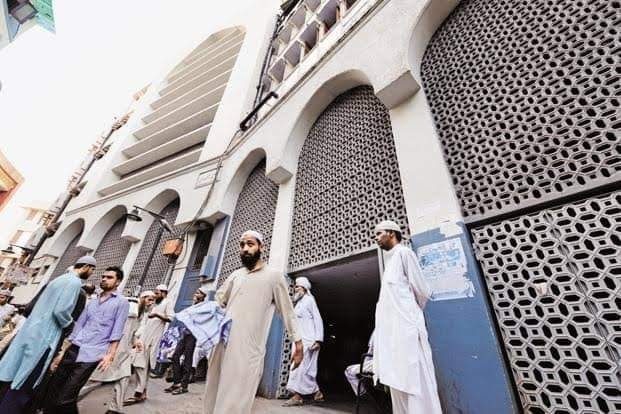
FILE PHOTO
AMN
In a landmark verdict, the Delhi High Court has quashed all charges and proceedings in 16 FIRs registered against 70 members of the Tablighi Jamaat, bringing long-awaited relief to those wrongfully accused during the early days of the COVID-19 pandemic.
The judgment, delivered by Justice Neena Bansal Krishna, nullifies all related chargesheets and proceedings, calling time on a case that saw members of a Muslim religious group unfairly blamed for spreading the virus. Although the detailed order is awaited, the court’s pronouncement offers a crucial acknowledgment of the miscarriage of justice that occurred.
The controversy dates back to March 2020, when a religious congregation at Delhi’s Nizamuddin Markaz became a media and political flashpoint. Even before official lockdown restrictions were announced, news channels—dubbed “Godi media”—launched a relentless campaign, branding the Tablighi attendees as “super-spreaders” and linking the virus to religion. This sparked widespread communal hatred, leading to social boycotts, violence, and institutional discrimination against Muslims.
Instead of diffusing tensions, the Delhi government under Arvind Kejriwal amplified the narrative by highlighting Tablighi-related COVID figures in daily briefings—numbers it never separated for any other group.
The impact was profound: vendors attacked, housing societies excluding Muslims, mosques surveilled, and an entire community vilified. The term “Corona Jihad” gained traction, causing emotional and social trauma beyond legal damage.
Now, five years later, the court’s decision serves as vindication—but also raises important questions. Will the victims receive compensation? Will the media or politicians involved in fanning the hysteria issue an apology? Justice may have prevailed in the courtroom, but the scars of stigma and hate remain.
This case stands as a stark reminder of how media sensationalism and political silence can weaponize fear—and how long it can take for the truth to surface.
The Delhi Police had earlier opposed the petitions, arguing that the accused hosted foreign nationals in mosques and private residences despite prohibitory orders on movement and public gatherings. The police claimed that inspections conducted in late March 2020 had revealed that the foreign attendees had moved from the Markaz in Nizamuddin to other areas, including Chandni Mahal, in defiance of lockdown restrictions.
However, the petitioners claimed there was no evidence to indicate that any of them were COVID-positive or had facilitated the spread of the virus. They contended that the accusations were baseless and exaggerated, arguing that merely providing shelter could not constitute a criminal act.