
Last Updated on August 14, 2025 1:06 pm by INDIAN AWAAZ
HEALTH DESK
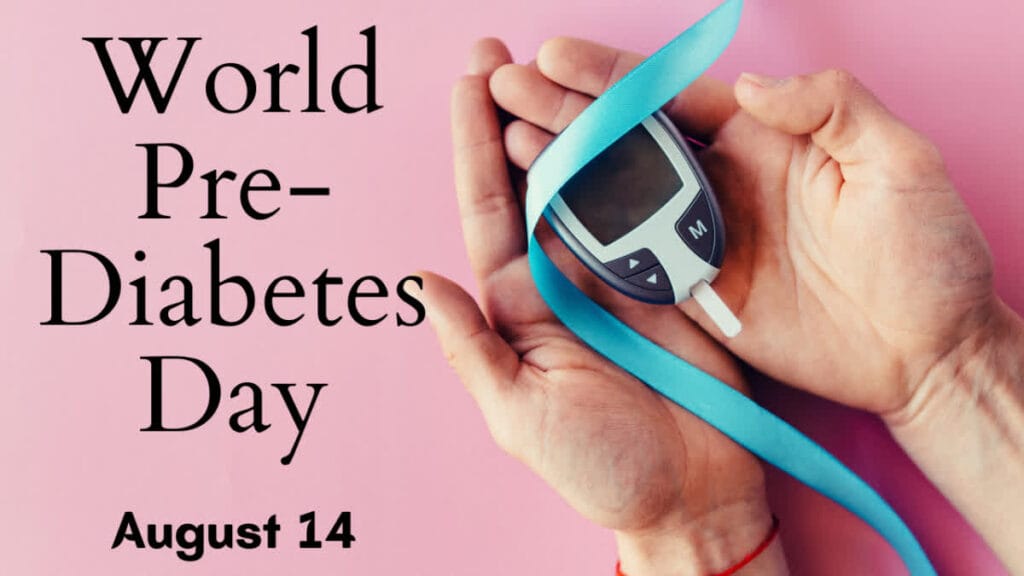
Every year on August 14, the global health community observes World Prediabetes Day, a vital initiative aimed at raising awareness about prediabetes—a silent but serious condition that affects millions worldwide. While diabetes often dominates public health conversations, prediabetes remains under-recognized despite being a critical warning sign and an opportunity for prevention.
What Is Prediabetes?
Prediabetes is a condition where blood sugar levels are higher than normal but not yet high enough to be diagnosed as type 2 diabetes. It’s a metabolic imbalance that signals the body’s growing resistance to insulin, the hormone responsible for regulating blood glucose.
- Fasting blood glucose: 100–125 mg/dL
- HbA1c levels: 5.7%–6.4%
People with prediabetes often show no symptoms, making routine screening essential. Without intervention, many will develop type 2 diabetes within five years.
Global and Local Challenges
Globally, over 540 million adults are estimated to have prediabetes. In many regions, particularly in South Asia, urban lifestyles, processed diets, and reduced physical activity have driven numbers higher. India alone is believed to have around 90 million people living with prediabetes—a number that threatens to overwhelm healthcare systems if left unchecked.
The challenge is compounded by the fact that prediabetes often coexists with other risk factors like obesity, high cholesterol, and hypertension, creating a perfect storm for cardiovascular and metabolic diseases.
Global Impact
According to the International Diabetes Federation, over 350 million people globally are estimated to have prediabetes. In countries like India, China, and the United States, the numbers are particularly alarming due to lifestyle shifts, urbanization, and dietary changes.
- In India alone, nearly 1 in 6 adults may be living with prediabetes.
- The condition increases the risk of heart disease, stroke, and kidney complications—even before diabetes develops.
Purpose of World Prediabetes Day
World Prediabetes Day was established to:
- Educate the public about the risks and signs of prediabetes.
- Encourage early screening and diagnosis.
- Promote lifestyle changes that can reverse or delay progression to diabetes.
- Empower communities to take charge of their health through informed choices.
The day serves as a rallying point for healthcare professionals, policymakers, and individuals to unite in the fight against the diabetes epidemic.
Prevention Is Possible
The good news? Prediabetes is reversible. With timely intervention, individuals can return their blood sugar levels to a healthy range.
Here are key strategies:
- Healthy eating: Focus on whole grains, lean proteins, fruits, and vegetables. Reduce intake of refined sugars and processed foods.
- Regular physical activity: At least 150 minutes of moderate exercise per week—walking, cycling, swimming, or yoga.
- Weight management: Losing even 5–7% of body weight can significantly reduce risk.
- Stress reduction: Chronic stress affects insulin sensitivity. Practices like meditation, deep breathing, and adequate sleep help.
- Routine checkups: Annual screenings for blood glucose and HbA1c levels are crucial, especially for those with a family history or other risk factors.
Global Campaigns and Events
On August 14, organizations around the world host:
- Free screening camps
- Webinars and workshops
- Social media campaigns using hashtags like #WorldPrediabetesDay and #StopDiabetesBeforeItStarts
- Community walks and fitness challenges
These events aim to make prediabetes a household term and empower people to take preventive action.
Who’s at Risk?
Certain groups are more vulnerable:
- Age 45+
- Family history of diabetes
- Overweight or obese individuals
- Sedentary lifestyle
- High blood pressure or cholesterol
- Women with gestational diabetes history
Understanding these risk factors can help individuals seek early testing and intervention.
Final Thoughts
World Prediabetes Day is more than just a date—it’s a movement. It reminds us that awareness leads to action, and action leads to prevention. By spotlighting prediabetes, we can reduce the global burden of diabetes and improve quality of life for millions.
So this August 14, take a moment to reflect, get tested, and spread the word. Because stopping diabetes starts with knowing prediabetes.