
Last Updated on August 28, 2025 6:26 pm by INDIAN AWAAZ
By Andalib Akhter
India is grappling with economic and social challenges after U.S. President Donald Trump’s administration imposed steep tariffs on Indian exports. The decision, which took effect this week, raised duties by 50 percent on a range of goods including textiles, leather, and small machinery—sectors that employ millions of workers across the country.
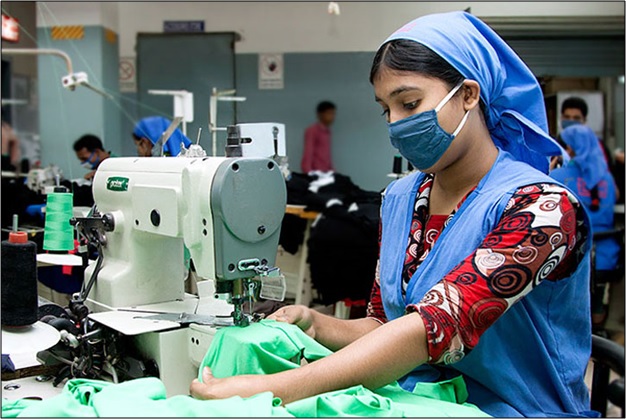
The shockwaves were immediate. Exporters, particularly in states like Gujarat, Tamil Nadu, and Uttar Pradesh, expressed fear that their global competitiveness would collapse. Many factories, especially in the textile and apparel sector, operate on thin margins and depend heavily on U.S. markets. With the new duties, order cancellations and delayed shipments have already begun.
In response, Prime Minister Narendra Modi’s government announced a Rs 25000 crore relief package spread over six years to support exporters. The program aims to help firms identify new markets in Africa, the Middle East, and Latin America while also offering easier access to bank credit. Concessions include lower interest rates for export-related loans, subsidized electricity for industries facing acute stress, and faster approval of export incentives.
Industry associations, however, have warned that these measures may not be enough. “The textile industry alone provides direct and indirect employment to nearly 45 million people. With these tariffs, we are staring at widespread layoffs unless immediate relief is provided,” said a senior official of the Confederation of Indian Textile Industry (CITI).
Small and medium enterprises (SMEs), which form the backbone of India’s export economy, are under particular strain. Many of them rely on contract labor and seasonal orders. Rising input costs, coupled with reduced demand from the U.S., could force closures on a scale not seen since the pandemic. Several groups are lobbying the government for emergency wage-support schemes to prevent mass unemployment.
Beyond economic repercussions, the tariff move has cast a shadow on India-U.S. relations. While both governments had projected strong strategic cooperation in recent years, trade frictions remain a recurring sore point. Analysts warn that if the dispute escalates, India may retaliate with tariffs on American farm goods or technology imports, potentially leading to a broader trade war.
For ordinary workers, the situation is dire. “We were expecting bonuses during the festive season. Now the factory owner says he cannot even pay full wages,” said a power loom worker. Unless a balance is struck between diplomacy and domestic safeguards, experts fear that the tariff shock could leave long-lasting scars on India’s export-driven industries.