
Last Updated on July 4, 2026 12:08 am by INDIAN AWAAZ
High Court Quashes Activist’s Externment, Says Peaceful Dissent Cannot Be Criminalised
Agencies / Mumbai
In a significant reaffirmation of constitutional freedoms, the Bombay High Court has set aside a one-year externment order issued against a political activist, observing that peaceful dissent and criticism of the government cannot be grounds for restricting a citizen’s liberty. The court also delivered sharp remarks to the Mumbai Police, questioning whether it intended to turn citizens into “slaves of the government” by registering criminal cases against those expressing dissent.
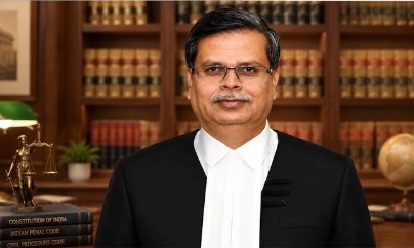
Justice Madhav J. Jamdar, while quashing the externment order, reminded the police that they serve the public and the Constitution—not those in political office. The court underscored that the right to protest peacefully and raise slogans against political leaders is protected under the Constitution and forms an essential part of democratic governance.
The case was filed by Saeed Ahmad Abdul Wahid Chaudhary, 49, General Secretary of the Socialist Democratic Party of India (SDPI), who challenged a December 2025 order directing him to remain outside Mumbai for one year. Police had justified the externment by citing several criminal cases registered against him between 2019 and 2024.
Most of the cases stemmed from Chaudhary’s role in organising protests without prior police permission on contentious national issues, including the Citizenship Amendment Act (CAA), the National Register of Citizens (NRC), and disputes relating to the Babri Masjid and Gyanvapi mosque. During some demonstrations, protesters reportedly raised slogans such as “BJP government murdabad” and “Amit Shah murdabad.”
Chaudhary argued before the court that the externment order was politically motivated and intended to keep him away from Mumbai during an important electoral period while suppressing legitimate democratic opposition.
His counsel contended that externment is an exceptional measure ordinarily reserved for habitual offenders or individuals posing a serious threat to public order. They maintained that the cases against Chaudhary involved relatively minor offences carrying a maximum punishment of one month’s imprisonment and did not justify curtailing his fundamental right to move freely.
The Maharashtra government defended the police action, arguing that the demonstrations had been held despite authorities denying permission, making the externment legally justified.
However, Justice Jamdar found no material to establish that Chaudhary posed any threat to public safety, peace or property. The court held that the externment order lacked a valid legal foundation and appeared to have been passed without sufficient justification.
Referring to Articles 19 and 21 of the Constitution, the court emphasised that citizens enjoy fundamental rights to freedom of speech and expression, peaceful protest, personal liberty and a life with dignity. Curtailing these rights merely because an individual opposes government policies, the judge observed, would set a dangerous precedent in a constitutional democracy.
The ruling reinforces the principle that peaceful protest and dissent are integral to India’s democratic framework and cannot, by themselves, be treated as criminal conduct warranting extraordinary restrictions such as externment.