
Last Updated on September 9, 2025 7:31 pm by INDIAN AWAAZ
MALEEHA AKHTER / CINE DESK
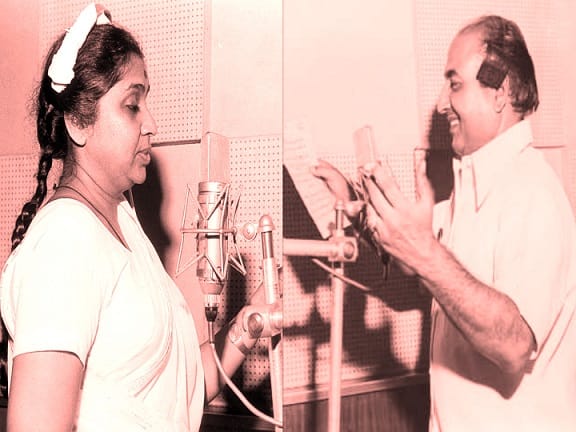
The 92nd birthday of legendary playback singer Asha Bhosle should have been a moment of pure celebration, a tribute to one of the most versatile voices in Indian cinema. Yet, as admirers across the world paid homage to her unmatched repertoire of most recorded songs, her milestone was clouded by controversy. Remarks she made about her late colleague Mohammed Rafi, one of Hindi cinema’s most cherished singers, sparked anger among music lovers, Rafi’s family, and critics alike.
What began as a reflection on her six-decade-long journey has quickly grown into a wider debate—about ego, rivalry, humility, and the fragile balance of legacy among the icons of Hindi film music’s golden age.
A Voice of Many Colors
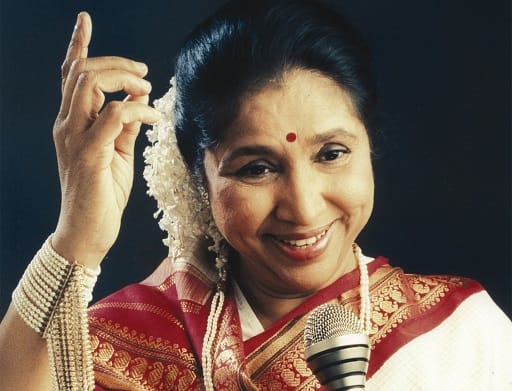
Born Asha Mangeshkar on September 8, 1933, in Sangli, Maharashtra, Bhosle is celebrated as the “Shatrangi Gayika”—the singer of seven colors—for her ability to adapt to any genre. From sultry cabaret numbers like Aaiye Meherbaan to deeply emotive ghazals and semi-classical thumris, she has given voice to almost every shade of human emotion. Her entry into the Guinness Book of World Records for the most recorded songs remains a testament to her stamina and creativity.
Yet her path was far from smooth. For decades, she stood in the shadow of her elder sister Lata Mangeshkar, the reigning queen of playback. Carving her own space required bold choices and experimentation. With composers like O.P. Nayyar, R.D. Burman, and Shankar–Jaikishan, she explored Western beats, jazz, and folk-inspired tunes that others hesitated to attempt. Her duets with leading male singers, especially Rafi, defined an era of Bollywood soundtracks.
The Spark of Controversy
It was precisely these duets that reignited public debate. In recent interviews, Asha Bhosle suggested that she often outshone Rafi in their collaborative songs, claiming that he sang exactly as instructed without much improvisation. She pointed to numbers like Aaja Aaja Main Hoon Pyar Tera (Teesri Manzil) and Hai Re Hai (Kashmir Ki Kali), alleging that her vocal innovation elevated the tracks.
Her comments, widely circulated on social media, drew immediate backlash. Fans accused her of being ungracious toward a colleague who has been gone since 1980 and cannot respond.
The strongest rebuttal came from Shahid Rafi, Mohammed Rafi’s son, who publicly expressed his disappointment. He emphasized that his father was known for humility and generosity toward fellow artists, including Asha. “My father never spoke ill of anyone. His memory should not be tarnished,” Shahid said.
A Historian’s Critique
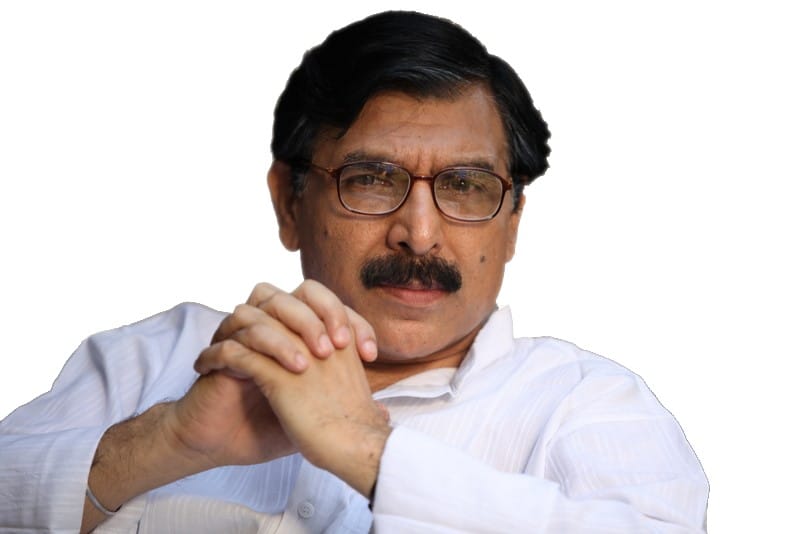
The controversy gained further traction with an in-depth discussion on the YouTube channel Great Legends, hosted by journalist Vinod Viplav and featuring music historian Deepak Mahaan. Mahaan praised Asha Bhosle’s artistry and versatility but did not mince words about her recent remarks.
“At this age, such statements are unnecessary,” he said. “Rafi’s genius was in his subtlety and emotional depth. Dismissing him reveals insecurity rather than truth.”
Mahaan dismantled Bhosle’s claim by citing Rafi’s improvisations in songs like Abhi Na Jao Chhod Kar (Hum Dono), where his tonal shifts convey longing without a single extra word, and Yeh Chaand Sa Roshan Chehra (Kashmir Ki Kali), celebrated for flourishes that composer O.P. Nayyar himself attributed to Rafi’s spontaneity. Other classics such as Mohabbat Zinda Rehti Hai, Apni To Har Aah Ek Toofan Hai, and Tune Mera Yaar Na Milaya were, Mahaan argued, masterpieces of vocal improvisation.
Rivalries and Realities
The debate reopens old chapters in Hindi film music. Rivalries between the Mangeshkar sisters and other contemporaries were well known, especially during the 1960s royalty dispute, when Rafi temporarily stopped singing with Lata. That period, ironically, opened opportunities for Asha to step forward. Mahaan argued that Rafi’s collaborations helped mainstream her voice beyond cabaret numbers.
Rafi himself was rarely confrontational. He famously sang for nominal fees—even one rupee—when convinced of a composer’s sincerity. His colleagues often highlighted his humility: actor Dilip Kumar once remarked that Rafi “never belittled anyone,” while singer Kishore Kumar admitted he considered Rafi his elder brother and superior in skill.
Public sentiment has also reinforced Rafi’s stature. Polls by Outlook, India Today, and CNN-IBN have consistently ranked him as the greatest playback singer, often ahead of both Lata and Asha.
A Life of Triumph and Trials
Despite criticism, few deny Asha Bhosle’s remarkable journey. She overcame a troubled early marriage, periods of estrangement from her family, and years of professional struggle. Her eventual rise to the top tier of playback, and her acclaimed non-film ventures like the Excy album with sarod maestro Ali Akbar Khan, demonstrate her depth as an artist.
Documentary filmmaker Mahaan shared a personal anecdote: in 1998, Asha recorded a promotional track he scripted for the Election Commission, devoting hours of rehearsal and even hosting him at home. “She is generous and great,” he recalled, “which is why these recent remarks disappoint me.”
Legacy at the Crossroads
The uproar underscores a larger truth about legacies in Indian music. The “golden trinity” of playback—Lata Mangeshkar, Asha Bhosle, and Mohammed Rafi—each embodied unique strengths. Lata symbolized purity and sweetness, Asha versatility and flair, and Rafi unmatched emotional resonance. Together, they shaped the soundscape of an era.
But when one legend’s legacy is diminished to elevate another, the harmony fractures. For many fans, the task is not to compare but to celebrate each for what they contributed.
Harmony Over Discord
As Asha Bhosle steps into her 93rd year, her voice remains immortal in the history of cinema. Her artistry, resilience, and range deserve celebration, even as her words remind us of the delicate balance between pride and humility. Mohammed Rafi’s songs, still sung at gatherings and cherished on playlists, remain timeless echoes of a gentle genius.
Perhaps the true tribute lies not in rivalry but in remembering both legacies side by side—acknowledging that the magic of Hindi cinema was created not by one voice alone but by many, weaving together a harmony that continues to enchant generations.