
By R. Suryamurthy
India’s farm economy is seeing a rare spell of relief as food prices cool across the board, aided by bumper harvests, strong mandi arrivals, and a broader global slide in agricultural commodities. From the daily “thali” to wholesale markets, data from Crisil, Bank of Baroda, and the World Bank suggest that both domestic and international factors are easing pressure on kitchen budgets — and offering some comfort to policymakers.
Farm produce drives food deflation
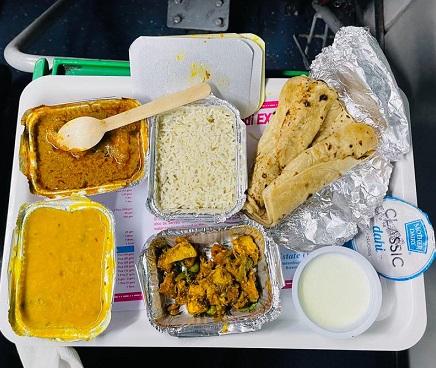
According to Crisil’s latest Roti Rice Rate report, the cost of a home-cooked vegetarian thali in September fell by 10% year-on-year, while a non-vegetarian thali dropped about 6%. The price relief was led by a steep fall in vegetables and pulses — with onions down 46%, potatoes 31%, and tomatoes 8% — as post-rabi arrivals and imports boosted supply.
“The mandi scene has flipped. Farmers are offloading cold storage potatoes, tomato arrivals are strong from the South and West, and onion supplies are abundant due to soft export demand,” said an analyst familiar with Crisil’s data.
Pulses too witnessed a 16% price drop, helped by the government’s decision to allow imports of Bengal gram, yellow pea and black gram until March 2026. However, edible oil prices rose 21% on-year due to festive demand and higher global costs.
Bank of Baroda index shows sustained disinflation
The Bank of Baroda’s Essential Commodities Index (BoB ECI), which tracks 20 key food items, contracted for the sixth straight month in October — the sharpest fall since the index was created. Prices of tomato, onion and potato (the “TOP” trio that dominate retail inflation) all posted double-digit declines: onion prices fell by 51.2%, tomatoes by nearly 40%, and potatoes by 31%.
The index shows pulses also deep in deflation, with tur (arhar) dal prices down 29.4% — the steepest fall since 2018. Edible oils, including mustard and sunflower oil, are easing after tracking weaker global trends.
Healthy arrivals have underpinned this moderation. Data from the UPAJ platform show mandi inflows for tomatoes up 14%, onions up 30%, and potatoes up 23% so far this fiscal year. Economists now expect headline retail inflation to moderate to around 0.4–0.6% in October, compared to 1.5% in September.
Global backdrop: agricultural prices stay soft
The World Bank’s latest Commodity Price Outlook corroborates the trend. It projects global agricultural prices to decline modestly in 2026 as supply growth stabilises. Food commodity prices — from grains to edible oils — are expected to fluctuate narrowly, reflecting adequate production across major regions.
Grain prices, including rice and wheat, have fallen for three consecutive quarters, while soybean prices are subdued amid shifting trade routes between the United States, China, Brazil and Argentina. Fertilizer prices, however, remain a pain point — up 19% in the first nine months of 2025 — threatening farmers’ margins even as crop prices weaken.
“Ample global supply, slower Chinese demand, and easing freight costs are keeping food prices soft. The exception is fertilizer, where export curbs and sanctions are keeping prices sticky,” the World Bank noted.
Implications for India’s rural economy
For India, the alignment of domestic and global softening offers a mixed picture. Lower food inflation relieves consumers and helps the Reserve Bank of India maintain its policy stance. But falling farm-gate prices could squeeze incomes for cultivators already hit by erratic rainfall in parts of the country.
Agricultural experts warn that continued deflation in pulses and vegetables could weigh on farmer sentiment unless exports or procurement support absorb the glut. “Farmers need price assurance mechanisms as market prices slide. Otherwise, this disinflation story could become a rural distress story,” said an economist with a state-run think tank.
Short-term relief, long-term caution
While the near-term inflation outlook is benign — aided by GST rationalisation, strong rabi sowing, and cooling oil markets — volatility in global fertilizer and energy prices could still upset the equation. The World Bank cautions that geopolitical tensions, trade restrictions, and weather shocks remain potential disruptors.
For now, the “thali index” offers some festive-season comfort to Indian households — even as the agrarian economy braces for the next test: how to turn low prices into sustainable prosperity.