
Last Updated on January 5, 2026 2:17 pm by INDIAN AWAAZ
Grants bail to five others in Delhi riots case
AMN / NEWS DESK
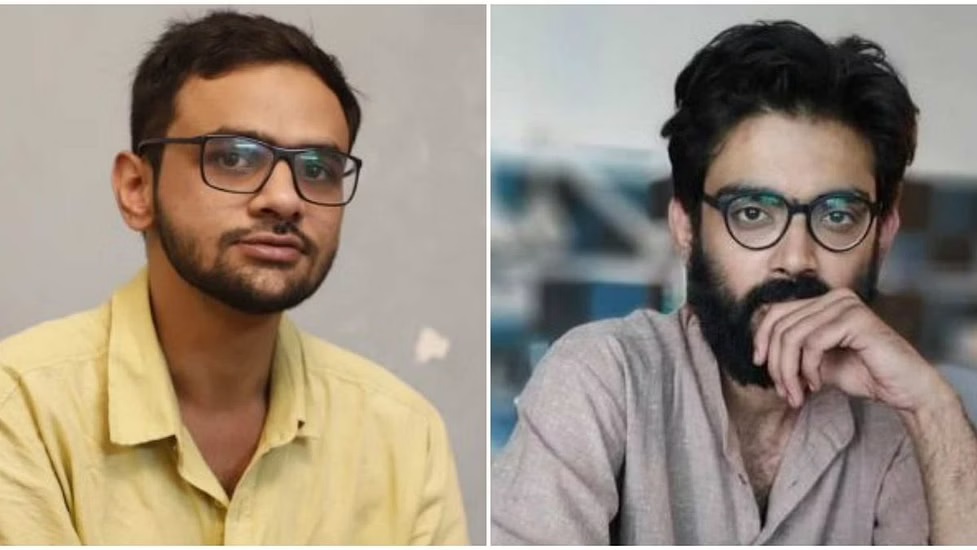
The Supreme Court today denied bail to Activists Umar Khalid and Sharjeel Imam, in a case registered under the Unlawful Activities (Prevention) Act (UAPA) in connection with the alleged “larger conspiracy” behind the February 2020 riots in New Delhi, citing the gravity of the allegations and the “central” role attributed to them by the prosecution.
However, the Bench of Justices Aravind Kumar and NV Anjaria granted bail to five other accused – Gulfisha Fatima, Meeran Haider, Shifa ur Rehman, Shadab Ahmed and Mohd Saleem Khan.
According to Bar and Bench news the Court stated that the bail petition of each accused has to be examined individually since the seven accused were not on equal footing as regards culpability.
“Umar Khalid and Sharjeel Imam stand on a qualitatively different footing as compared to other accused,” the Bench said.
The material on record discloses a prima facie case against Khalid and Imam, the Court ruled.
“This court is satisfied that the prosecution material disclosed a prima facie allegation against the appellants Umar Khalid and Sharjeel Imam. The statutory threshold stands attracted qua these appellants. This stage of proceedings do not justify their enlargement on bail,” the Court directed.
However, the Court said that Khalid and Imam can move for bail again on completion of examination of protected witnesses or completion of one year from the present order.
As regards the other five, the Court granted them bail subject to strict conditions.
The Court said that delay in trial can serve as a trigger for judicial scrutiny even in cases involving offences under the UAPA, like the present one.
“The UAPA as a special statute represents a legislative judgment as to the conditions on which bail may be granted in pre trial stage. Delay serves as a trigger for heightened judicial scrutiny. The discussion has been confined to delay and prolonged incarceration. UAPA offences are rarely confined to isolated acts. The statutory scheme reflects this understanding,” the Court stated.
Right to liberty under Article 21 of the Constitution requires the State to justify prolonged pre-trial custody, the Bench underlined.
It said that while bail in UAPA cases is not given as a matter of routine, the law does not mandate denial of bail as default and does not exclude the Court’s jurisdiction to allow bail.
“Section 43D(5) of UAPA departs from general provisions for grant of bail. (But) it does not exclude judicial scrutiny or mandate denial of bail in default,” the Bench said.
The riots occurred in February 2020 following clashes over the then-proposed Citizenship Amendment Act (CAA). As per the Delhi Police, the riots caused the death of 53 persons and injured hundreds.
The top court had reserved its verdict on December 10, 2025, on separate special leave petitions filed by the accused persons challenging a September 2 judgment of the Delhi High Court refusing them bail. The High Court had held that an “unfettered right to protest” could impinge upon public order and reasoned that the material on record prima facie suggested a coordinated conspiracy underlying the riots, which left 53 people dead and hundreds injured in the national capital.