
Last Updated on November 18, 2025 4:19 pm by INDIAN AWAAZ
By Aafreen Hussain
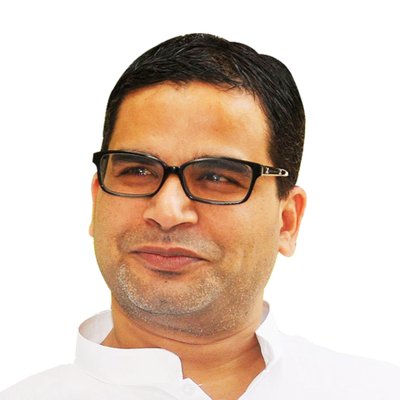
The Bihar Assembly Election results has peeled away several political illusions — and among the most surprising outcomes is the resounding defeat of Prashant Kishor. The same Prashant Kishor who was once counted among the sharpest election strategists in India. One day, he decided to cross over from strategy rooms to the electoral battlefield, seemingly confident that the public would reward him with the same success he had delivered to others.
The Reality Check
The results, however, were brutal. Kishor did not just lose; he failed to save even his deposit. His political innings appears to have stumbled at the starting line, raising uncomfortable questions about his decision to contest.
This is the same Kishor who had confidently declared in TV studios: “I haven’t come to cut votes; I’ve come to clean politics.” “We will give opportunities to new, clean, honest candidates.” “Bihar needs change more urgently than any other state.” “This party belongs to the people, not to me.” But the voters responded rather bluntly: “Thanks, but no.”
Why Did Kishor Enter Politics?
The fundamental question now is: What motivated Prashant Kishor to turn politician?
Was he truly committed to offering a fresh political model for Bihar?
Or, as critics allege, was he brought into the field to split votes?
Within the NDA, the sentiment is unambiguous: “PK helped clear the path for us.”
Congress too alleges that the idea of a “clean face” was merely a clever way of dividing the Opposition’s vote bank. Political analysts point to a more pragmatic flaw: Kishor built neither a strong cadre nor a grassroots presence. His campaign relied more on interviews and lofty claims than on organisational depth — and the results reflect that.
His Political Future: What Now?
The road ahead is complicated. Should Kishor stay in active politics, or return to his old role as an election strategist?
Even if he chooses the latter, one tough question remains: Will parties trust a strategist who couldn’t deliver a single seat for his own organisation?
It is a dilemma similar to a doctor unable to treat himself while advising others on health. The Question of “Clean Candidates”
Kishor’s candidates — promoted as clean, educated and principled — also faced resounding defeat. This raises a broader concern:
Does Indian politics leave little room for honest newcomers?
Or do “clean faces” only work well in newsroom debates, not on the ground?
Is Democracy in Question?
The INDIA bloc had already claimed that the electoral environment was “suspicious”. Kishor’s total wipeout has intensified questions about whether Bihar’s political ecosystem allows space for new players at all — or whether traditional caste networks, family legacies, and old-style power politics continue to dominate.
Final Analysis
Prashant Kishor now finds himself at a crossroads with difficult options on every side:
If he stays in politics, he lacks a performance record.
If he returns to election strategy, critics will question his credibility.
If he builds another new party, he risks repeating the same mistakes.
If he quits politics, it may be viewed as acknowledging failure.
But one lesson is already clear:
Being a political strategist and being a politician are two entirely different skill sets.
Kishor’s journey will eventually be studied as an important case in Indian politics — one that shows the gap between designing victories for others and earning one for oneself.