
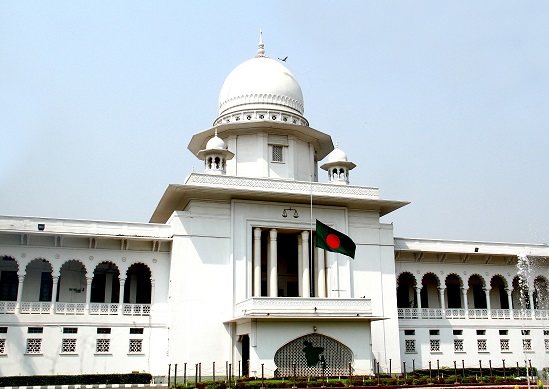
Zakir Hossain from Dhaka
The Bangladesh High Court has prohibited the determination and disclosure of the sex of an unborn child, calling the practice discriminatory and harmful to women and girl children.
The verdict was delivered on February 25, 2024, by a bench of Justice Naima Haider and Justice Kazi Zinat Hoque. The full judgment was released on Monday.
The court said fetal sex disclosure promotes discrimination against women, increases the risk of female foeticide, creates social imbalance and violates constitutional rights. It observed that the practice undermines the dignity, equality and right to life guaranteed to women under the Constitution, as well as Bangladesh’s international human rights obligations.
“Formulating guidelines alone is not sufficient. Without proper implementation, digital surveillance and effective control mechanisms, it is not possible to stop this unethical practice,” the court observed.
The High Court directed the Directorate General of Health Services to establish a central digital database within six months to store and monitor diagnostic reports related to unborn children from registered hospitals, clinics and diagnostic centres.
The judgment said disclosure of fetal sex is inconsistent with Articles 18, 27, 28, 31 and 32 of the Constitution, which guarantee equality before law, protection of law and right to life. It also noted that countries including India have strict laws regulating such practices.
The court declared the directive a “continuing mandamus”, allowing continued judicial supervision of its implementation.
The writ petition was filed on January 26, 2020, by Supreme Court lawyer Ishrat Hasan, seeking steps to prevent disclosure of fetal sex. Ishrat Hasan, assisted by lawyer Tanzila Rahman, represented the petitioner, while Deputy Attorney General Amit Das Gupta appeared for the state.