
Zakir Hossain from Dhaka
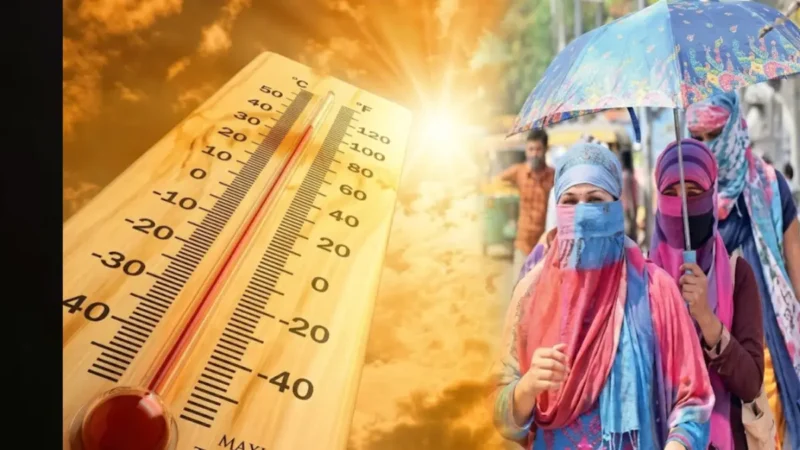
Bangladesh is likely to experience a hotter-than-usual summer with up to 10 heatwaves over the next three months as El Niño develops, though climatologists believe the country may avoid the full force of the global weather phenomenon because it is expected to strengthen later in the year.
The World Meteorological Organization (WMO) has warned of a moderate to potentially strong El Niño in the coming months, which could raise global temperatures and trigger extreme weather events worldwide.
“I think El Niño could have a moderate impact on Bangladesh’s monsoon in 2026,” said Dr Rashed Chowdhury, a climate scientist at Arizona State University. He noted that El Niño’s impact depends on its timing and intensity. “Usually, if El Niño forms before or during the start of monsoon, its influence on South Asian rainfall can be significant. But this year, forecasts suggest that it may develop later—toward late summer or even winter.”
As a result, Bangladesh may avoid severe drought or major monsoon failure of the kind witnessed during the 1982-83 and 1997-98 El Niño events, he said.
Chowdhury stressed that El Niño is only one factor influencing Bangladesh’s monsoon. Conditions in the Indian Ocean, regional weather patterns and atmospheric circulation also play crucial roles. “There is no reason for panic, but it would be wise to remain prepared and continue monitoring the climate situation in the coming months,” he added.
According to the Bangladesh Meteorological Department (BMD), the country is likely to receive less rainfall and experience higher temperatures this monsoon. Senior meteorologist Bazlur Rashid said Bangladesh could face eight to 10 heatwaves over the next three months, including three to four in June alone.
“Bangladesh would witness less rainfall this monsoon and higher temperature as an impact of El Niño. But we cannot go into further detail right now, like what would be the temperature like in coming months,” Rashid said.
El Niño, a periodic warming of sea surface temperatures in the central and eastern Pacific Ocean, generally lasts nine to 12 months. The WMO expects above-average temperatures across much of the world between June and August and says the phenomenon is likely to persist until November.
“We need to be prepared for a potentially strong El Niño event – which will exacerbate drought and heavy rainfall and increase the risk of heatwaves both on land and in the ocean,” WMO Secretary-General Celeste Saulo said.
The WMO said El Niño could trigger drought in Australia, Central America, Indonesia and parts of southern Asia, while also contributing to hurricane formation in the central and eastern Pacific.
Climate experts in Bangladesh warned of mixed impacts. Golam Rabbani, director of the Centre for Climate Change and Environmental Research (C3ER), said: “What we can say from past experience is that El Niño would cause heatwave and drought-like situation in some parts of the country. But it may also cause torrential rainfall in a short period and lead to sudden flood.”
Rajib Kumar Saha, a PhD candidate in geology at Washington State University and assistant director at the Geological Survey of Bangladesh, warned that prolonged dry conditions could strain the country’s water resources.
“We cannot stop the Pacific Ocean from warming, but we can prevent a super El Niño from becoming a catastrophe. A weakened monsoon, prolonged dry periods, intense heatwaves, and reduced flows in the Ganges-Brahmaputra-Meghna river system are likely to worsen salinity intrusion in the Bengal delta and destabilise our floodplains,” he said.
Saha urged authorities to identify water-stressed areas and take preventive measures before the next dry season.