
Last Updated on September 13, 2025 12:40 pm by INDIAN AWAAZ
By Santosh Kumar Pathak
Across democracies like Nepal, young people often feel deceived by the very leaders they trusted. Time after time, they fight for change, only to end up with broken promises and no real transformation. In Nepal, this frustration recently boiled over as thousands of Gen Z youth took to the streets in protest.
Their anger was not without reason. Corruption, political instability, nepotism, and even curbs on social media had left them with little faith in the system. “We are tired of old leaders,” was the unifying cry of the protesters. Some analysts suggested foreign hands may have stirred the unrest, but the truth is simpler: when discontent runs this deep, outside forces are not needed.
A Surprising New Leader
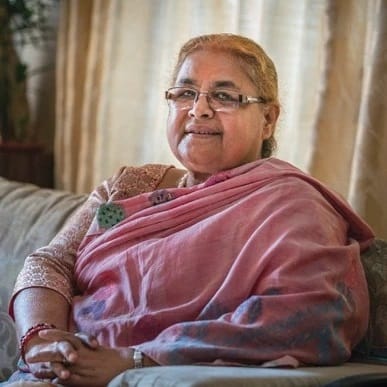
In an attempt to calm the crisis, Nepal turned to Sushila Karki, a respected figure and the country’s first female Chief Justice. Sworn in as interim Prime Minister at the age of 73, she also became Nepal’s first woman to hold the top political office. She has been tasked with organizing elections within six months under Article 61 of the Constitution—a rare move, since all previous governments were formed under Article 76.
But this appointment raises a paradox. Nepal’s young protesters wanted freedom from elderly politicians, yet their new Prime Minister is also a senior figure. Can Karki really understand the dreams and frustrations of Gen Z? Can she deliver the change they demand?
Old Habits, Old Leaders
Skepticism is growing. Veteran leaders remain firmly entrenched in their parties, unwilling to loosen their grip on power. Both the Speaker of the House and the Chairman of the National Assembly even boycotted Karki’s swearing-in, signaling political resistance from the very start.
And the road ahead looks uncertain. If elections once again produce no clear majority, the same old faces will form another fragile coalition, continuing the cycle of corruption and deal-making. That is not what Nepal’s youth risked their safety for.
Hope and Doubt
Born in Sitamarhi, I have always shared a cultural bond with Nepal, especially with Janakpur, which people of Mithila consider their second home. From that perspective, I sincerely wish Sushila Karki succeeds in stabilizing the nation and steering it toward real reform.
Nepal’s peace and progress matter not only for its own citizens but also for neighboring India and the region at large. Yet the central question remains: will Gen Z’s choice, Sushila Karki, truly be able to change Nepal’s future—or will history repeat itself?