
Last Updated on July 22, 2025 11:43 pm by INDIAN AWAAZ
AMN / WEB DESK
The United States has informed the United Nations Educational, Scientific and Cultural Organization, or UNESCO, that it will withdraw from the agency.
The US State Department made the announcement on Tuesday.
State Department spokesperson Tammy Bruce said in a statement that “UNESCO works to advance divisive social and cultural causes” and its agenda is “at odds with our America First foreign policy.”
The statement also questions UNESCO’s decision to admit Palestine as a “member state.”
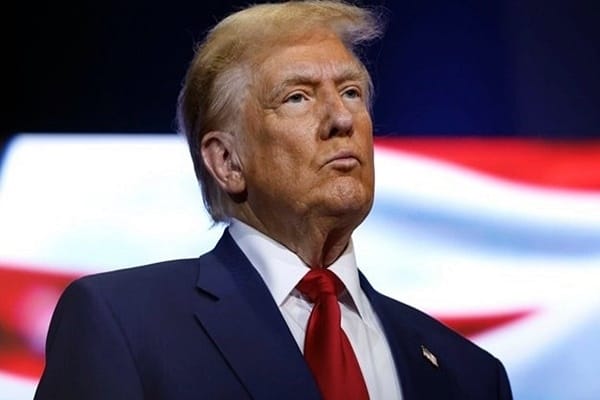
President Donald Trump’s first administration withdrew from UNESCO, citing its “anti-Israel” stance.
UNESCO Regrets U.S. Withdrawal Decision, Reaffirms Commitment to Global Mandate Despite Setback
AMN / Paris — The Director-General of UNESCO has expressed deep regret over former U.S. President Donald Trump’s renewed decision to withdraw the United States from the United Nations Educational, Scientific and Cultural Organization (UNESCO), effective December 2026. The announcement, though anticipated, marks a setback to the spirit of global cooperation and multilateralism.
In a strongly worded statement, the UNESCO chief underscored that the move contradicts the principles of international dialogue and will likely impact American stakeholders directly. These include U.S. communities awaiting World Heritage status for cultural sites, academic institutions seeking UNESCO University Chairs, and cities aiming for recognition under the Creative Cities Network.
However, UNESCO emphasized that it is better equipped today to withstand the financial and diplomatic impact of the withdrawal than during the previous U.S. exit in 2017. “Thanks to major structural reforms since 2018 and the diversification of funding sources, the U.S. contribution now constitutes just 8% of our total budget—down from 40% in some other UN agencies,” the statement said. Voluntary contributions from other member states and private donors have doubled over the past six years, safeguarding UNESCO’s core operations.
Despite political friction, UNESCO has continued to demonstrate its global relevance. Recent milestones include the reconstruction of war-ravaged Mosul, the adoption of the world’s first AI ethics standard, and educational and cultural initiatives in conflict zones such as Ukraine, Yemen, and Lebanon.
The agency also rejected U.S. concerns about its direction and reaffirmed its commitment to Holocaust education and fighting antisemitism—areas in which it has been widely praised by major American Jewish organizations and Holocaust education institutions.
“No layoffs are anticipated,” the statement clarified, adding that UNESCO remains open to continued cooperation with American academia, civil society, and the private sector. “The door to the United States will always remain open,” the Director-General affirmed.