
Last Updated on December 9, 2025 1:11 am by INDIAN AWAAZ
R. Suryamurthy
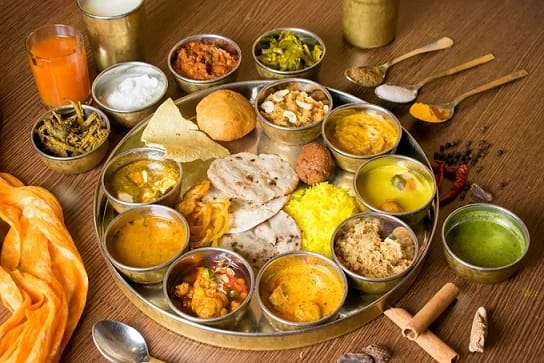
India’s daily food plate turned a little lighter on the wallet last month, with the cost of both vegetarian and non-vegetarian home-cooked thalis dropping 13% year-on-year in November, according to Crisil Intelligence’s latest Roti Rice Rate report.
The moderation was driven largely by a sharp correction in vegetable and pulse prices, offering some relief to household budgets after several months of uneven food inflation.
Tomatoes were 17% cheaper compared with a year ago, aided by higher supplies. Potato prices fell an even steeper 29% on a high base, while onions saw a dramatic 53% slump as larger carry-forward stocks from the last rabi season and subdued export demand softened the market.
Pulses, which had been sticky in earlier months, also eased 17% on-year. Crisil attributed this to a surge in imports—Bengal gram inflows jumped ninefold this fiscal, yellow pea shipments were up 85%, and black gram imports rose 31%. The government’s decision to keep these imports open until March 2026 helped build stocks and curb price pressures.
Still, not all components of the thali moved in favour of consumers. Edible oil prices climbed 6% year-on-year on festival-season demand, while cooking gas cylinders also cost 6% more. These two items tempered the overall decline in the vegetarian thali.
For non-vegetarian households, cheaper broiler meat—the single largest cost factor in a non-veg plate—played a decisive role. Broiler prices were down 12% on-year, helped by improved supplies and slower consumption trends. Lower vegetable and pulse prices further reduced overall non-veg thali costs.
Month-on-month trends, however, were not as uniform. The veg thali became 2% more expensive between October and November, as tomato prices rose 14% and potatoes gained 5%. Most other ingredients stayed broadly stable.
The non-veg thali, in contrast, turned 1% cheaper from the previous month. The key driver was a 5% fall in broiler prices, with Crisil noting temporary oversupply conditions in the poultry market.
Crisil’s food plate index tracks monthly changes in the cost of preparing a standard thali using prevailing retail prices across the north, south, east and west. The basket includes cereals, vegetables (tomato, onion, potato), pulses or broiler meat, spices, edible oils and LPG.
With the winter crop cycle now progressing and vegetable arrivals improving in several mandis, analysts say the coming weeks will show whether November’s easing can be sustained or if the usual winter volatility reasserts itself. For now, households have at least one reason to breathe a little easier at the dinner table.