
Last Updated on June 25, 2026 3:11 pm by INDIAN AWAAZ

AMN / Amsterdam
Europe has launched an ambitious new bioeconomy project aimed at transforming potato-processing waste into high-value sustainable chemicals, marking a significant step toward reducing dependence on fossil fuel-based and palm oil-derived raw materials.
The project, known as PACE (Potato Juice to Fatty Acids for New Bio-based Value-Chains in Europe), will establish what its promoters describe as Europe’s first full-scale retrofitted biorefinery dedicated to converting potato juice, a largely underutilized by-product of potato processing, into bio-based medium-chain fatty acids (MCFAs) for industrial applications.
The four-year initiative officially commenced with a kick-off meeting in Amsterdam on June 17, bringing together research institutions, industrial partners and sustainability experts from across Europe. The consortium aims to demonstrate that existing industrial infrastructure can be adapted to support large-scale production of renewable chemical building blocks without the need for entirely new manufacturing facilities.
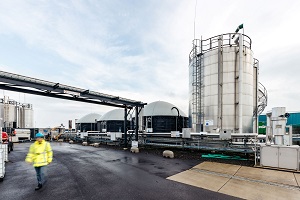
The project will retrofit part of Dutch potato starch producer Royal Avebe’s existing processing plant, where advanced fermentation and microbial chain-elongation technologies will be employed to convert potato juice side-streams into valuable chemical ingredients. These bio-based fatty acids can be used in a wide range of products, including detergents, personal care products, specialty chemicals and industrial formulations.
Industry experts view the initiative as an important milestone in Europe’s efforts to accelerate the transition to a circular economy and strengthen domestic supply chains for sustainable chemicals. The project seeks to demonstrate how industrial waste streams can be transformed into commercially viable products, reducing environmental impacts while creating new economic opportunities.
According to the consortium, Europe’s chemical industry remains heavily dependent on fossil-based feedstocks and imported palm oil derivatives. By replacing a portion of these inputs with locally sourced bio-based alternatives, PACE is expected to contribute to the European Union’s climate and sustainability objectives while enhancing resource efficiency.
Project Coordinator Niels van Stralen said the initiative illustrates how circular chemistry can be integrated into existing industrial systems at scale.
“By upgrading infrastructure that already exists and using locally available side-streams, we show that sustainable chemistry does not have to start from scratch. PACE is an important example of how Europe can build more resilient and circular chemical value chains,” he said.
Following the launch, consortium members will begin implementation activities required to establish the biorefinery and optimize the production process for medium-chain fatty acids. Researchers and industrial partners will also conduct extensive testing to validate the performance of the bio-based chemicals in targeted commercial applications.
Alongside technical development, the project will undertake sustainability assessments, circularity studies and market analyses to evaluate the potential for wider adoption of the technology across Europe. Stakeholder engagement and knowledge-sharing activities are also planned to facilitate collaboration across the bio-based value chain.
The consortium behind PACE comprises ten organizations from six European countries, bringing together expertise in biotechnology, industrial processing, sustainability assessment and market deployment. Participants include companies and research institutions from the Netherlands, Belgium, France, Germany, Spain and Greece.
Supporters of the initiative believe that if successfully demonstrated at industrial scale, the technology could provide a blueprint for converting agricultural and food-processing side-streams into renewable chemical feedstocks, helping Europe reduce waste, lower carbon emissions and create new value from existing resources.
The project is expected to run until 2030, with partners aiming to establish a replicable model for circular bio-based manufacturing that can be adopted by industries across the continent.