
Last Updated on August 12, 2025 12:20 am by INDIAN AWAAZ
On World Breastfeeding Week, WHO urges countries to invest in health systems and support breastfeeding mothers
AMN / HEALTH DESK
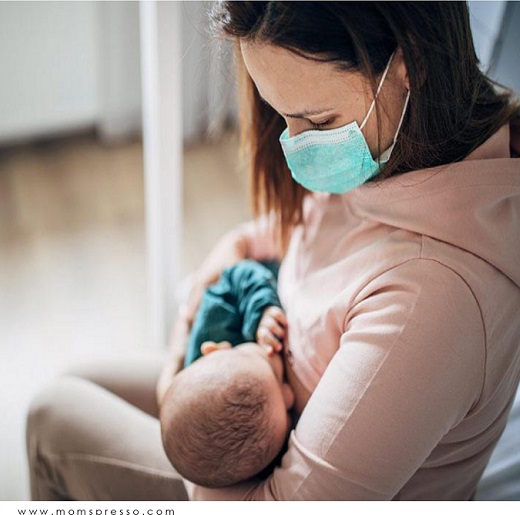
Breastfeeding is far more than a mother’s instinct — it is one of the most powerful tools to safeguard a baby’s health, growth, and survival during the most vulnerable months of life. Acting as a newborn’s very first vaccine, breast milk builds immunity and offers protection against deadly illnesses such as diarrhoea and pneumonia, which continue to claim the lives of countless children worldwide.
Yet, despite its proven benefits, the world is falling short. Only 48% of infants under six months are exclusively breastfed, a figure well below the World Health Assembly’s target of 60% by 2030. The gap is not due to lack of will among mothers, but to a tangle of challenges — from overstretched health systems to inadequate training for healthcare providers, and insufficient support for mothers during critical early days.
Across many countries, millions of mothers leave hospitals without clear guidance on how to initiate or sustain breastfeeding. In fact, only one in five countries ensures that doctors and nurses receive proper training on infant and young child feeding, leaving most new mothers to navigate the journey alone. Health systems, especially in low-resource settings, often struggle with fragmented services, outdated practices, and underfunding — making consistent, evidence-based breastfeeding support a rarity rather than a norm.
This neglect carries a heavy price — both in lives and in economics. Research shows that every dollar invested in breastfeeding generates a staggering US$35 in economic returns through better health, reduced healthcare costs, and improved productivity. Yet, investments remain critically low, and political will inconsistent.
As the world marks World Breastfeeding Week under the theme “Prioritize breastfeeding: Create sustainable support systems”, WHO and UNICEF are urging governments, health leaders, and partners to act decisively. Their call to action includes:
- Ensuring equitable, quality maternal and newborn care with breastfeeding as a core service.
- Boosting national budgets to fund breastfeeding programmes.
- Integrating breastfeeding support into routine maternal and child health services — from antenatal to postnatal care.
- Training all healthcare providers to deliver skilled breastfeeding support, even in emergencies and humanitarian crises.
- Strengthening community health systems so every mother has ongoing, accessible guidance for up to two years and beyond.
- Upholding the International Code of Marketing of Breast-milk Substitutes to protect breastfeeding from commercial exploitation.
Supporting breastfeeding is not just a matter of health policy — it is a moral obligation and a smart economic choice. A strong, well-funded health system that champions breastfeeding ensures no mother or child is left behind. WHO and UNICEF reaffirm their commitment to help nations build the resilience, resources, and reach needed to turn this vision into reality.