
Last Updated on June 2, 2026 12:04 am by INDIAN AWAAZ
Aafreen Hussain / Kolkata
Political confrontation is not new to West Bengal. But when elected representatives face hostility, physical obstruction, or alleged attacks during public visits, the questions extend beyond party politics and reach the heart of democracy itself.
Recent incidents involving Trinamool Congress leaders Abhishek Banerjee and Kalyan Banerjee have once again ignited debate over political tolerance, administrative neutrality, and the shrinking space for democratic engagement.
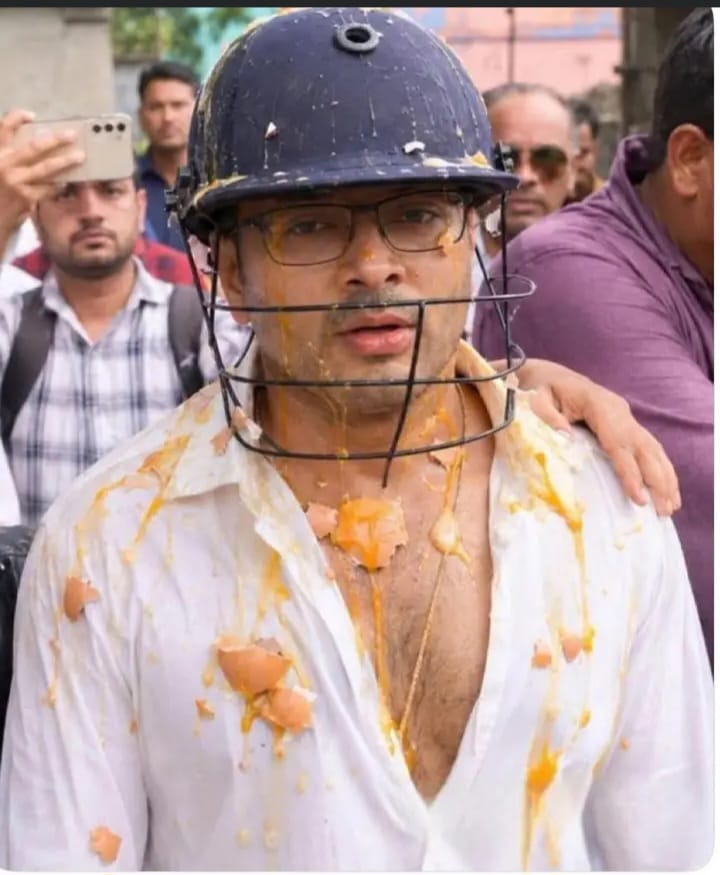
Abhishek Banerjee, while reportedly visiting areas affected by post-election unrest and meeting party workers, faced protests and alleged physical confrontation from a section of people. Videos and accounts circulated publicly showed scenes of chaos, slogan shouting, and allegations that his movement was obstructed. Supporters described the incident as a targeted political attack intended to send a message that opposition voices or political outreach would not be tolerated.
Similarly, Kalyan Banerjee also became the centre of controversy after reports emerged of aggressive resistance and alleged attacks during political activity. The incident led to fresh accusations and counter-accusations between political camps, with each side presenting a different version of events.
However, beyond party narratives, several difficult questions emerge.
If elected MPs and senior political leaders cannot move safely among citizens, what does this say about the condition of democratic culture? Were security arrangements adequate despite visible political tensions?
Did authorities act quickly and impartially once tensions escalated? If intelligence inputs existed, why were preventive measures insufficient? And perhaps most importantly has political disagreement begun turning into political intimidation?
Democracy demands more than elections. It requires the ability of political actors to travel, speak, question, and engage without fear of violence. Protest is democratic; assault is not. Dissent is constitutional; intimidation is not.
At the same time, these incidents should not become tools for political scoring alone. Every allegation deserves proper investigation based on evidence rather than emotional reactions or partisan narratives.
West Bengal has a long history of political participation and ideological debate. That legacy cannot be protected if public life becomes defined by confrontation rather than conversation.
The real concern is not whether one leader or one party was targeted. The larger concern is whether democratic disagreement is increasingly being replaced by public hostility.
Because in a healthy democracy, leaders should answer difficult questions not face physical attacks for asking them.