
By Lalit Gargg
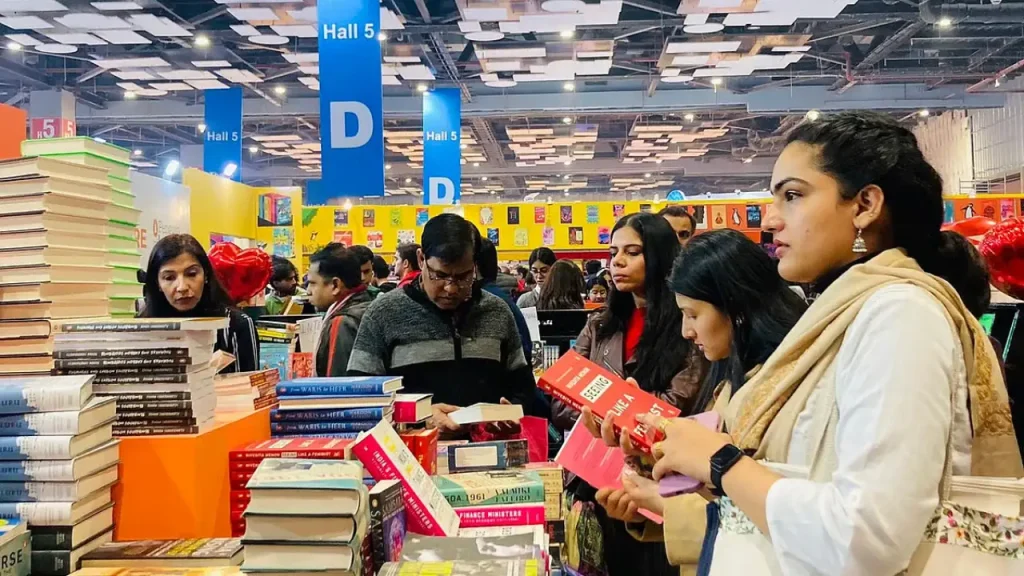
The nine-day congregation of books at the 53rd World Book Fair, held at Bharat Mandapam from January 10 to 18, 2026, has made one truth abundantly clear: humanity’s bond with books can never be severed. With participation from more than 1,000 publishers representing over 35 countries, this grand global event is not merely a marketplace for buying and selling books—it is a celebration of a vibrant book culture that many believed was fading in the digital age. Kilometer-long queues, enthusiastic participation from children to senior citizens, and an ever-growing attraction toward books have decisively challenged the assumption that reading habits are declining.
These scenes reaffirm that books have always been an integral part of human life—and will remain so in the future. Despite the abundance of reading material available through the internet, social media, and digital platforms, the massive turnout at book fairs raises a compelling question: why do people still flock to printed books?
The answer lies beyond information. Printed books and written words do not merely open doors to knowledge, curiosity, and entertainment; they usher us into a world of fragrance, touch, emotion, contemplation, and deep sensory experience. The visual richness and vibrant atmosphere of this year’s fair have generated renewed hope, confidence, and enthusiasm for book culture. It clearly signals that the habit of reading is not just alive—it is soaring with renewed vigor. A book fair is, in essence, a global festival—a festival that offers a shared platform for knowledge, ideas, imagination, and dialogue. By recognizing and promoting the global ecosystem of books, such fairs serve as a strong bridge between the past and the future, and as a cultural conduit linking generations and civilizations. This is precisely why UNESCO, in collaboration with international organizations of publishers, booksellers, and libraries, annually designates a World Book Capital—to ensure that the inspiration of book culture resonates throughout the year. This initiative underscores that books are not merely vehicles of knowledge, but powerful foundations of global dialogue and human unity.
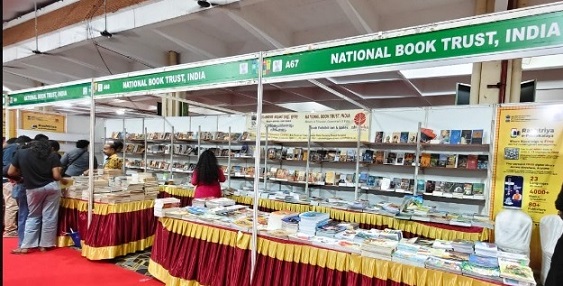
Books, in all their forms—printed, digital, and audio—empower us to learn, reflect, and grow. They entertain us, help us understand the world, and allow us to step into the lives and experiences of others. This year’s fair is themed “Indian Military History: Valour and Wisdom / 75”, highlighting defining moments, contributions, and narratives of India’s defense forces. The Theme Pavilion 2026 has emerged as a major attraction, presenting a compelling visual and narrative journey through 75 years of India’s military heritage. Rooted in courage, wisdom, and ethical values, it traces India’s military evolution from 1947 to Operation Sindoor 2025 through immersive storytelling, visual presentations, and dialogue. The New Delhi World Book Fair has become a symbolic celebration in the global literary landscape. Renowned authors from across the world participate in literary dialogues, discussions, and intellectual exchanges. Works of literary giants—from William Shakespeare and Miguel de Cervantes to the stalwarts of Indian languages—are available to readers under one roof. The fair provides Indian literature with a global platform while simultaneously connecting Indian readers to world literature.
Books have often been described as a “garden of knowledge.” Those who cultivate a true friendship with books find lifelong intellectual support. In times of crisis, books stand by us like trusted companions—guiding, consoling, and illuminating the path forward. The significance of books is universal, timeless, and borderless. No technological storm, however powerful, can diminish their relevance. The rise of the internet, social media, and artificial intelligence has transformed access to information, yet the essence of book culture remains intact—because books do not merely inform; they nurture reflection, reasoning, and wisdom. Technology has undoubtedly revolutionized learning, but it cannot replace the immersive experience of reading a physical book. The feel of a book, its distinct fragrance, the act of turning pages, and the intimate solitude of reading create a deeply personal dialogue between the reader and the text. Books strengthen the mind, expand intellectual horizons, and cultivate self-discipline. They are akin to living deities—bestowing immediate and lasting benefits through study, reflection, and contemplation.
The lives of great leaders testify to the transformative power of books. Mahatma Gandhi was profoundly influenced by the Bhagavad Gita, Leo Tolstoy, and Henry David Thoreau. Similarly, books have played a crucial role in shaping Prime Minister Narendra Modi’s intellectual outlook and global stature. A devoted reader himself, he has consistently worked to revitalize reading culture. Through initiatives such as Mann Ki Baat, he has carried the culture of reading, writing, and thoughtful reflection to the masses. His message— “Gift books, not bouquets”—is not merely symbolic but represents a cultural vision that promotes the gift of knowledge over fleeting gestures.
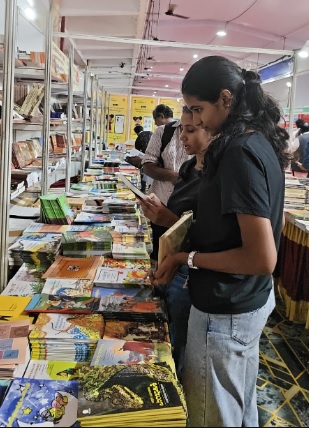
Prime Minister Modi believes that the power of meaningful literature surpasses even weapons of war, for while arms destroy, literature instills values and brings about enduring transformation. Positive societal change, he asserts, is more sustainable when driven by ideas than by authority or legislation alone. Under his leadership, tangible efforts such as the National Education Policy, promotion of Indian languages, recognition of regional literature, and encouragement of reading habits reflect a deep commitment to book culture. Books are among the finest tools for character formation. The dissemination of literature enriched with noble ideas can guide youth toward purposeful lives, strengthen national unity, and contribute to building a resilient nation. Books are reservoirs of inspiration—they awaken the desire to achieve greatness. They are both a Kalpavriksha and a Kamadhenu, offering boundless nourishment to those who seek refuge beneath their shade. Modern individuals change homes, lifestyles, relationships, and social circles, yet remain dissatisfied—largely because they have distanced themselves from this life-giving tree of books.
Books illuminate the path of inner transformation—reshaping thought, behavior, and perspective. Without self-transformation, no one can reach their true destination. Self-discipline, self-reflection, and self-development are enduring gifts of book culture. Despite the growing reach of digital media and e-books, the relevance of printed books remains undiminished—and will continue to endure. The words of Hazari Prasad Dwivedi remain profoundly relevant today: “Literature is a magic wand that reveals the soul of the universe—even within animals, bricks, stones, and trees.” Undoubtedly, the inspiration generated by the World Book Fair is stirring India’s collective consciousness and motivating society toward the vision of a strong and enlightened nation.
In essence, the New Delhi World Book Fair stands as a powerful and timely catalyst, breathing new life into reading culture. In his inaugural address, Education Minister Dharmendra Pradhan aptly remarked that books are carriers of knowledge that connect generations, preserve civilizational memory, and guide society forward. This fair is not merely about books—it is a fair of ideas, values, and the future—where words shape societies and pages determine the direction of history.