
Last Updated on July 28, 2025 5:35 pm by INDIAN AWAAZ
R. Suryamurthy
Indian companies experienced a modest 4-6% year-on-year revenue growth in the April-June quarter of the current fiscal year, a slowdown from the approximately 7% growth observed in the preceding two quarters. This tepid performance was primarily driven by sluggishness in the power, coal, information technology (IT) services, and steel sectors, which collectively represent one-third of the revenue of over 600 companies analyzed.
Earnings before interest, tax, depreciation, and amortisation (EBITDA) for these companies, which account for more than half of the National Stock Exchange’s market capitalization, likely rose around 4% year-on-year. However, the EBITDA margin is estimated to have declined by 10-30 basis points (bps), weighed down by the IT services, automobile, fast-moving consumer goods (FMCG), and pharmaceutical sectors.
Pushan Sharma, Director at Crisil Intelligence, noted the impact of external factors. “The early onset of monsoon and lingering geopolitical uncertainties are expected to have materially impacted some sectors in April-June,” Sharma said. He pointed to the “rains-induced cooler summer,” which curtailed electricity demand, leading to an estimated 8% year-on-year decline in the power sector’s revenue. Lower power demand also resulted in a 2-3% decrease in coal demand.
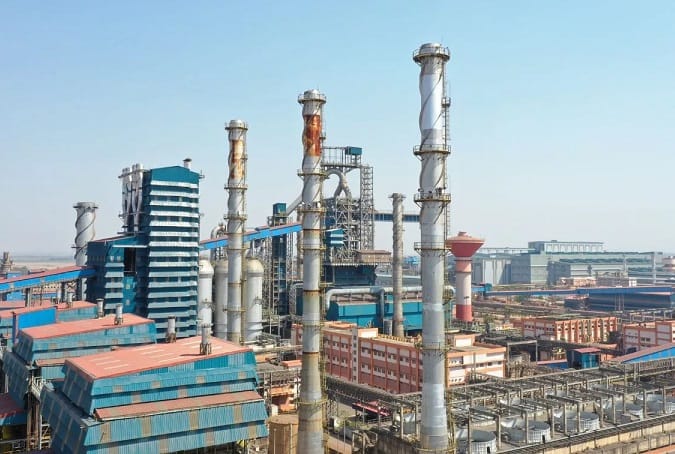
Geopolitical uncertainties affected the IT services sector, with revenue growth seen as flat year-on-year due to project delays stemming from tariff concerns. The steel sector is projected to have grown a moderate 1-3% year-on-year, impacted by planned maintenance shutdowns at major mills and a 2-4% decline in prices.
Sectoral Performance Mixed
Despite the overall slowdown, several sectors demonstrated strong revenue growth. Pharmaceuticals, telecom services, organized retail, aluminum, and airlines were key drivers.
Pharmaceuticals: Revenue is estimated to be up 9-11% year-on-year, driven by robust export demand and a stable domestic market.
Telecom Services: Revenue is expected to grow 12% year-on-year, fueled by an approximately 11% increase in realizations from costlier subscription plans.
Organized Retail: Revenue likely rose 15-17%, led by value fashion and food and grocery segments.
Aluminum: Revenue is seen up approximately 23% due to higher domestic demand, increased domestic output, more export opportunities, and improved realizations from a higher share of downstream products.
Airlines: Revenue is expected to rise 15% year-on-year, driven by a 10-12% increase in volume due to expanded supply and new aircraft additions.
The automobile sector’s revenue is foreseen rising 4% year-on-year, benefiting from higher retail sales partially offset by high inventory. The construction sector’s revenue is expected to climb 6% year-on-year, aided by a low base effect from disruptions during general elections in the first quarter of the last fiscal year.
Margin Pressures and Gains
Elizabeth Master, Associate Director at Crisil Intelligence, highlighted mixed trends in EBITDA margins across sectors. “While the margin rose for the power, cement, steel, telecom services, construction and aluminum sectors, it likely declined for IT services, automobile, FMCG and pharmaceuticals,” Master stated.
Cement: Margin is expected to rise 350 bps due to higher revenue and cost savings.
IT Services: Margin likely fell around 100 bps year-on-year due to a slump in demand, project deferrals, and the absence of currency gains.
FMCG: Margin likely declined around 100 bps due to a high base, increased commodity costs, and higher marketing expenses.
Pharmaceuticals: Margin is seen down 50-100 bps year-on-year due to pricing pressure on existing products.
Steel: Margin is seen up 90-120 bps year-on-year as input costs for iron ore and coking coal became more favorable.
Telecom Services: Margin likely surged 290-320 bps year-on-year due to lower operating expenses.
Aluminum: Margin is expected to have risen 250-300 bps due to a decline in intermediate costs and improved linkages for domestic smelters, reducing electricity costs.
Rural demand also showed a pick-up, supporting volume growth in the FMCG sector and driving 17% year-on-year revenue growth in the tractor sector. This rebound was attributed to moderating food inflation, a favorable monsoon, and a good harvest season for rabi crops.