
Last Updated on June 10, 2026 5:51 pm by INDIAN AWAAZ
By Our Special Correspondent / New Delhi
The All India Muslim Majlis-e-Mushawarat (Registered), a prominet Muslim organisation has expressed deep concern over what it described as rising hate politics in BJP-ruled states, the impact of the Special Intensive Revision (SIR) of electoral rolls on Muslim citizens, and the demolition of mosques and shrines in different parts of the country.
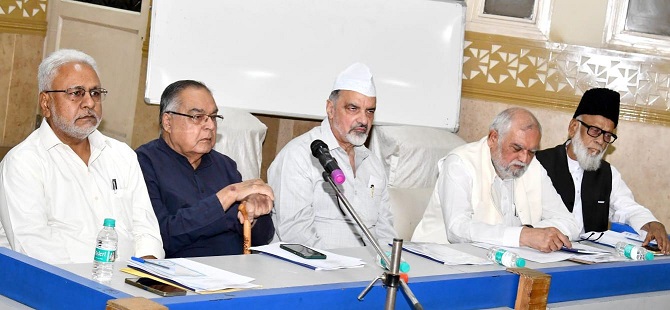
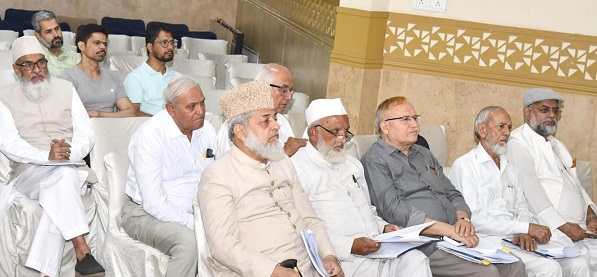
It passed a series of resolution at the organisation’s General Body meeting held in New Delhi in the presence of members from different states. Participants said that if the present atmosphere of social and political polarisation continues and public concerns remain unaddressed, it could adversely affect national unity and communal harmony.
The meeting was chaired by former MP Mohammad Adeeb. Among those present were Mushawarat President Dr. Zafarul Islam Khan, Dr. Syed Farooq, Prof. Mohammad Suleiman, Kamal Farooqui, Mufti Ataurrahman Qasmi and several other members and office-bearers. Proceedings of the meeting were conducted by General Secretary Masoom Moradabadi.
In its principal resolution, the organisation alleged that politics based on social and religious divisions has intensified in recent years and claimed that incidents of mob violence and hate-related crimes have become increasingly common. At the same time, the resolution called upon Muslims to respond to challenges with restraint, patience and wisdom and urged them not to allow any provocation that could lead to communal unrest. The resolution also emphasised strengthening social ties and dialogue with non-Muslim communities as a way to counter division and preserve social cohesion.
Another resolution expressed concern over the demolition of mosques and mazars and described such actions as affecting the religious and cultural identity of Muslims. The organisation called for legal and democratic engagement to address these concerns.
A separate resolution criticised the encounter policy of the Uttar Pradesh government and alleged that members of the Muslim community were disproportionately affected by such actions. The resolution called for accountability and adherence to constitutional and legal safeguards.
On issues concerning youth and public policy, the meeting adopted a resolution stating that sections of young people were experiencing growing dissatisfaction due to concerns relating to corruption, unemployment, inflation, economic pressures and communal politics. The resolution also extended support to the recently launched “Cockroach Janta Party” movement, describing it as an expression of public dissatisfaction.
One of the most strongly worded resolutions dealt with the Special Intensive Revision (SIR) of electoral rolls. Mushawarat alleged that the exercise could adversely affect the voting rights and citizenship-related interests of Muslims if not implemented fairly. Referring to alleged irregularities during recent electoral processes in West Bengal, the organisation claimed that names of a large number of Muslim voters had been removed from electoral lists. It appealed to affected citizens and local groups to pursue legal remedies, file complaints before appropriate tribunals and electoral authorities, and take steps to ensure restoration of their names in voter rolls wherever required.
The General Body also adopted a resolution on international affairs, strongly criticising what it described as aggressive actions by Israel and the United States against Iran. The resolution further alleged that continuing Israeli military operations in Gaza and southern Lebanon, despite ceasefire arrangements, reflected broader regional objectives.
Among others attending the meeting were Shamsuzzuha, Firoz Ahmad Ghazi (Advocate), Maulana Abrar Ahmad Makki, Mohammad Wazir Ansari, Khalid Mohammad Khan (Bhopal), Hafiz Manzoor Ali Khan (Jaipur), Dr. Ubaid Iqbal Asim (Aligarh), Dr. Hamid Hussain (Odisha), Shahid Sheikh (Mumbai), Wasi Ahmad (Advocate, Bareilly), Kausar Usman (Lucknow), Prof. Abdul Qayyum Ansari, Dr. Syed Ahmad Khan, Shabih Ahmad, Khalid Ahmad Khan, Prof. Abbas Ali Mehdi and S.M. Noorullah.
Participants who joined virtually included Syed Tahseen Ahmad, Suhail Anjum, Shahid Sharif (Mumbai), Akhlaq Hussain Chishti (Kanpur), Shahid Salim (Jammu) and Group Captain M. Noor (Gurugram).