
Last Updated on June 4, 2026 12:12 am by INDIAN AWAAZ
AMN / NEWS DESK
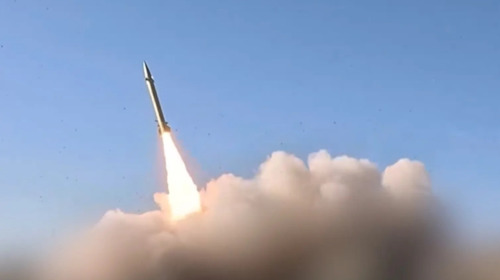
The conflict involving Iran and the United States entered a sharper and more dangerous phase of escalation early Wednesday after missile and drone attacks linked to Iran struck targets in the Gulf region, including Kuwait, causing civilian casualties and raising fresh concerns over regional security and global energy stability.
Kuwaiti authorities confirmed that a drone strike damaged Terminal One of Kuwait International Airport, killing one person and injuring dozens. Kuwait’s Health Ministry said 63 people were treated across seven hospitals, with several patients requiring emergency major surgery. Reported injuries included blast trauma, amputations and head injuries. Commercial flight operations were temporarily suspended and incoming aircraft were diverted before limited operations resumed.
The Indian Embassy in Kuwait confirmed that one Indian national died in the incident and said it was coordinating closely with Kuwaiti authorities to assist the family and provide consular support.
Iran’s Islamic Revolutionary Guard Corps (IRGC) claimed responsibility for coordinated missile and drone attacks targeting American military interests in the Gulf, including facilities in Kuwait and the headquarters of the US Navy’s Fifth Fleet in Bahrain. However, the US Central Command (CENTCOM) disputed the effectiveness of those attacks, stating that missiles and drones aimed at Kuwait and Bahrain either failed, broke apart mid-flight, or were intercepted by US and allied air defence systems. CENTCOM also said no American personnel were harmed. (GMA Network)
Kuwaiti officials separately reported structural damage at the airport despite broader interception efforts, highlighting concerns that civilian infrastructure remains vulnerable even amid active air defence operations.
Tehran presented the attacks as retaliation for recent US military actions, including strikes linked to maritime enforcement operations near the Strait of Hormuz and a US strike on facilities on Qeshm Island. In response, US forces confirmed conducting what they described as self-defence strikes against Iranian military infrastructure on Qeshm Island.
The exchange has heightened concerns over the security of Gulf airspace, commercial shipping routes and critical energy infrastructure. Around one-fifth of globally traded oil typically moves through the Strait of Hormuz, making any sustained disruption a major risk for energy markets and global trade.
Diplomatic efforts remain uncertain. Iranian state-linked media reported that Tehran had paused communication with mediators regarding a possible extension of ceasefire arrangements, though US President Donald Trump publicly disputed that account and said discussions remained active.
Meanwhile, US Secretary of State Marco Rubio told lawmakers that Iran had shown what he described as “new flexibility” in nuclear discussions, while reiterating Washington’s position that zero uranium enrichment remains a non-negotiable condition for any future agreement.