Last Updated on November 27, 2026 6:59 pm by INDIAN AWAAZ
50% Lok Sabha expansion leaves 7 Northeast States, Goa with no extra seats: PRS data
Our Political Correspondent / New Delhi
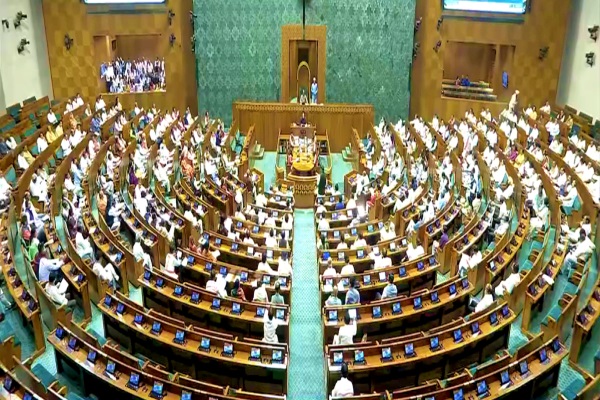
The Delimitation Bill, 2026, brought by the Prime Minister Narendra Modi led NDA government in April but defeated after failing to secure a two-thirds majority, is set to test the waters again on November 30 in Lok Sabha. However, calculations by PRS Legislative Research, based on the 2011 Census and the proposed formula of a 50 per cent increase in Lok Sabha seats across states, indicate that seven of the eight Northeastern states stand to gain nothing, with Assam being the sole exception.
According to the PRS assessment, eight states and six Union Territories will see no increase in their parliamentary representation under the proposed amendments. The existing number of Lok Sabha seats in these regions will remain unchanged, raising questions about the extent to which the proposed formula will benefit smaller states.
Interestingly, the proposed 50 per cent expansion formula appears to leave the parliamentary representation of most Northeastern states untouched. Tripura, which had a population of around 36 lakh as per the 2011 Census, will continue to have two Lok Sabha seats, with no additional representation.
The same holds true for Manipur, Mizoram, Sikkim, Arunachal Pradesh, Nagaland and Meghalaya. Goa and six Union Territories are also projected to retain their existing parliamentary strength. The proposed delimitation exercise, therefore, appears to offer little or no tangible benefit to the smaller Northeastern states, while potentially giving larger states a greater share of parliamentary representation. If the 50 per cent expansion formula leaves the existing seat distribution in the Northeast largely untouched, it raises serious questions about the exercise’s stated objective of equitable representation.
For the smaller states of the region, the proposed changes may amount to little more than a numerical exercise, without addressing their concerns over political representation and regional balance. The larger states, meanwhile, could emerge as the principal beneficiaries, further widening the gap in parliamentary strength between India’s bigger and smaller states.