
Last Updated on August 14, 2026 4:41 pm by INDIAN AWAAZ
Aafreen Hussain in KOLKATA
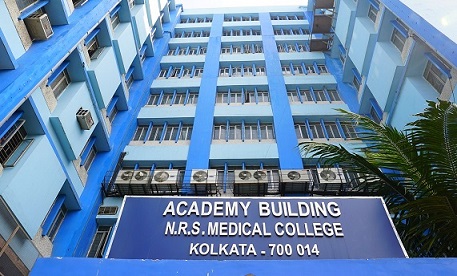
The mysterious death of a 30-year-old nurse inside a washroom at NRS Medical College and Hospital has once again reignited a troubling question: Why do serious incidents continue to occur inside West Bengal’s government hospitals despite repeated promises of reform?
The nurse, who was on night duty in the High Dependency Unit (HDU), was found unconscious after colleagues broke open a locked washroom door. Hospital sources suspect she may have injected herself with fentanyl, a powerful anaesthetic used in critical care, although the exact cause of death will only be confirmed after the post-mortem examination. Kolkata Police have launched an investigation.
The incident inevitably draws comparisons with the horrific RG Kar Medical College case of August 2024, when a young postgraduate doctor was raped and murdered inside the hospital premises, triggering nationwide outrage and protests by doctors across India. That case exposed glaring failures in hospital security, surveillance, access control and emergency response.
Nor has RG Kar been free from controversy since then. In recent years, the hospital has witnessed allegations of negligence, including a fatal lift accident and the death of an elderly patient reportedly unable to receive timely assistance. The latest tragedy at NRS has revived concerns over whether lessons from those incidents were ever fully implemented.
The problem, however, extends beyond a single government or political party. During the Left Front, Congress-supported administrations, the Trinamool Congress government, and now under the BJP-led state government, public hospitals have periodically faced allegations ranging from medical negligence and infrastructure failures to security lapses, assaults on healthcare workers and, in the most shocking instances, sexual violence.
Chief Minister Suvendu Adhikari has repeatedly stated that patient safety, accountability and hospital security remain priorities, while promising strict action wherever negligence is established. Former Chief Minister Mamata Banerjee had earlier defended the state’s healthcare system after the RG Kar case while also announcing stronger security measures and infrastructure upgrades. CPI(M) state secretary Mohammed Salim has consistently argued that repeated incidents expose systemic administrative failures and demand independent accountability rather than political blame games. West Bengal Congress president Subhankar Sarkar has called for transparent investigations and structural reforms in government hospitals. Senior BJP leader Dilip Ghosh has maintained that those responsible for lapses must face exemplary punishment and that healthcare institutions must inspire public confidence rather than fear.
While political narratives differ, one reality remains unchanged: public confidence in government hospitals has suffered every time such tragedies occur.
Experts argue that lasting reforms require more than announcements. Hospitals need foolproof CCTV surveillance, biometric access to sensitive areas, tighter control over narcotic medicines, improved staffing during night shifts, regular psychological support for healthcare workers, independent safety audits, and swift prosecution whenever criminal negligence is found.
The death of another healthcare worker inside a government hospital is not merely an isolated incident under investigation it is a reminder that unanswered questions continue to haunt West Bengal’s healthcare system. Until accountability is consistent and safety becomes non-negotiable, every new tragedy will continue to reopen old wounds and raise the same uncomfortable question: Are government hospitals truly safe for those who work in them and those who seek treatment there?