
Last Updated on August 7, 2026 4:22 pm by INDIAN AWAAZ
Aafreen Hussain in Kolkata
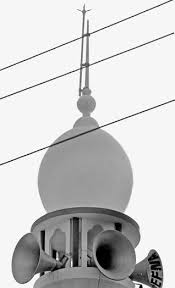
The controversy over loudspeakers at mosques in West Bengal has once again brought into focus the delicate balance between religious freedom, constitutional rights and public order. While the BJP government has intensified action against unauthorised loudspeakers, the legal framework governing their use is not new. It has evolved through judicial rulings over several decades, irrespective of the party in power.
The debate first gained legal significance during the Left Front government. In 1996, the Calcutta High Court held that no individual or institution has an unrestricted right to use loudspeakers, even for religious purposes. The ruling applied equally to all places of worship, and the Left largely treated the matter as an administrative issue rather than a political one.
During the TMC government, the Noise Pollution Rules, 2000 remained in force, and police occasionally acted against unauthorised loudspeakers following complaints or court directions. In 2020, the Calcutta High Court again stressed the need to enforce existing regulations. Mamata Banerjee maintained that every community must be free to practise its religion peacefully, while senior TMC leader Kunal Ghosh has accused the BJP government of politicising the issue and disturbing communal harmony.
Since assuming office, the BJP government led by Chief Minister Suvendu Adhikari has launched a more visible enforcement drive. According to official figures, 5,299 loudspeakers have been removed from religious places, including 4,203 from mosques and 1,096 from temples. The government maintains that the action follows High Court and Supreme Court directions and is aimed at enforcing noise pollution laws without targeting any religion.
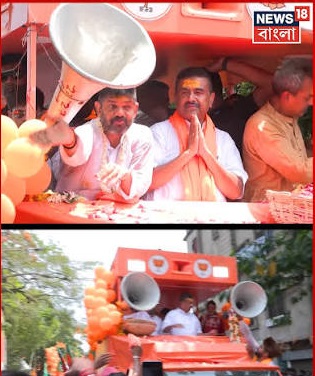
Among opposition parties, CPI(M) State Secretary Mohammad Salim has argued that if noise regulations are enforced, they must apply equally to mosques, temples, churches, political rallies and religious processions. The Congress has called for strict compliance with court orders while ensuring that enforcement remains impartial and free from political bias.
ISF MLA Naushad Siddiqui has opposed the drive, arguing that the azaan is an essential religious practice and alleging that mosques are being unfairly targeted. In contrast, MLA Nazrul Islam has appealed to Muslims to comply with legal requirements, avoid confrontation and safeguard religious rights through constitutional means.
Under Article 25 of the Constitution, every citizen has the right to practise religion, subject to public order, morality and health. Courts have consistently distinguished between the protected right to offer the azaan and the regulated use of electronic loudspeakers. Ultimately, the challenge for every government is to enforce the law uniformly while preserving both religious freedom and communal harmony. in West Bengal has once again brought into focus the delicate balance between religious freedom, constitutional rights and public order. While the BJP government has intensified action against unauthorised loudspeakers, the legal framework governing their use is not new. It has evolved through judicial rulings over several decades, irrespective of the party in power.
The debate first gained legal significance during the Left Front government. In 1996, the Calcutta High Court held that no individual or institution has an unrestricted right to use loudspeakers, even for religious purposes. The ruling applied equally to all places of worship, and the Left largely treated the matter as an administrative issue rather than a political one.
During the TMC government, the Noise Pollution Rules, 2000 remained in force, and police occasionally acted against unauthorised loudspeakers following complaints or court directions. In 2020, the Calcutta High Court again stressed the need to enforce existing regulations. Mamata Banerjee maintained that every community must be free to practise its religion peacefully, while senior TMC leader Kunal Ghosh has accused the BJP government of politicising the issue and disturbing communal harmony.
Since assuming office, the BJP government led by Chief Minister Suvendu Adhikari has launched a more visible enforcement drive. According to official figures, 5,299 loudspeakers have been removed from religious places, including 4,203 from mosques and 1,096 from temples. The government maintains that the action follows High Court and Supreme Court directions and is aimed at enforcing noise pollution laws without targeting any religion.
Among opposition parties, CPI(M) State Secretary Mohammad Salim has argued that if noise regulations are enforced, they must apply equally to mosques, temples, churches, political rallies and religious processions. The Congress has called for strict compliance with court orders while ensuring that enforcement remains impartial and free from political bias.
ISF MLA Naushad Siddiqui has opposed the drive, arguing that the azaan is an essential religious practice and alleging that mosques are being unfairly targeted.
In contrast, MLA Nazrul Islam has appealed to Muslims to comply with legal requirements, avoid confrontation and safeguard religious rights through constitutional means.
Under Article 25 of the Constitution, every citizen has the right to practise religion, subject to public order, morality and health. Courts have consistently distinguished between the protected right to offer the azaan and the regulated ( of electronic loudspeakers. Ultimately, the challenge for every government is to enforce the law uniformly while preserving both religious freedom and communal harmony.