
Last Updated on March 11, 2026 1:03 am by INDIAN AWAAZ
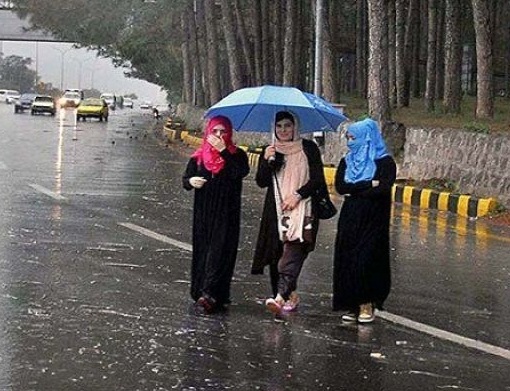
File photo
AMN News Desk
Toxic “black rain” reportedly falling over parts of Tehran after air strikes on oil depots has triggered serious health and environmental concerns, as the ongoing conflict in the Middle East enters its tenth day, according to United Nations officials in Geneva
Spokesperson for the Office of the United Nations High Commissioner for Human Rights, Ravina Shamdasani, said the attacks on oil storage facilities have released large quantities of pollutants into the air, raising questions about the environmental and humanitarian consequences of the strikes.
She noted that the bombed sites in Tehran did not appear to be exclusively military facilities and warned that the scale of pollution raised “serious questions” about whether the principles of proportionality and precaution under international humanitarian law had been respected.
Health risks from “black rain”
The World Health Organization also expressed concern over the phenomenon of toxic rainfall reported after the strikes.
WHO spokesperson Christian Lindmeier said the “black rain” and acidic precipitation observed in Tehran could pose serious health hazards for residents.
According to him, Iranian authorities have issued advisories urging people to remain indoors following the attacks on oil warehouses. Hospitals and health agencies are closely monitoring the situation as pollutants spread through the air.
The strikes are believed to have triggered a massive release of toxic hydrocarbons, sulphur oxides and nitrogen compounds — pollutants known to cause severe respiratory illnesses and environmental contamination.
Health experts warn that prolonged exposure to such chemicals can aggravate lung diseases, contaminate drinking water sources and create long-term ecological damage.
Regional pollution concerns
The risk of environmental fallout is not confined to Iran. Reports of Iranian retaliatory strikes targeting oil infrastructure in Bahrain and Saudi Arabia have heightened fears of a broader regional pollution crisis.
WHO officials cautioned that the release of toxic emissions across multiple energy facilities could expose populations across the Gulf region to hazardous air pollution.
Environmental experts say the spread of airborne pollutants combined with acidic rainfall may have long-term consequences for agriculture, water systems and public health in several countries.
Aid supply chains under strain
Beyond the environmental crisis, the war is also disrupting humanitarian aid operations and global supply chains.
According to the United Nations Children’s Fund, rising geopolitical tensions are already affecting procurement routes used to deliver essential aid supplies.
UN officials warn that delays could slow the delivery of nutrition supplements and medical assistance to vulnerable populations, particularly children suffering from malnutrition.
Global shipping routes affected
Jean-Martin Bauer of the World Food Programme highlighted the impact of the conflict on key maritime chokepoints including the Strait of Hormuz and the Bab el-Mandeb.
He said shipping companies are increasingly diverting vessels to avoid risk zones, significantly extending delivery times.
The need for war-risk insurance has also driven up shipping costs by an estimated $2,000 to $4,000 per container in high-risk areas.
In some cases, vessels are now taking longer routes around the Cape of Good Hope instead of using Middle Eastern sea lanes, adding nearly 9,000 kilometres to voyages and delaying deliveries by up to 25 days.
Displacement crisis in Lebanon
The humanitarian crisis is also deepening in Lebanon. According to the United Nations High Commissioner for Refugees, more than 100,000 people have been displaced by Israeli strikes and evacuation orders within the last 24 hours alone.
Total displacement linked to the conflict has now reached nearly 700,000 people.
UNHCR representative Karolina Lindholm Billing said thousands of families have fled their homes with little more than the clothes they were wearing, seeking refuge in Beirut, Mount Lebanon, northern Lebanon and the Bekaa Valley.
She described scenes of families sleeping in cars and overcrowded shelters, noting that many residents are experiencing repeated trauma after being displaced during earlier conflicts.
Growing humanitarian and environmental crisis
As the conflict continues, UN agencies warn that the combination of toxic pollution, disrupted supply chains and mass displacement is creating a complex humanitarian emergency across the region.
Experts caution that even if fighting subsides soon, the environmental damage caused by toxic emissions and contaminated rainfall could have lasting consequences for public health, agriculture and regional ecosystems.