
Last Updated on September 29, 2025 5:20 pm by INDIAN AWAAZ
World Heart Day 2025 reminds us that the rhythm of life—our heartbeat—should not be taken for granted. With cardiovascular disease remaining the world’s number one killer, urgent action is needed on all fronts: personal responsibility, public health policy, and global cooperation.
AMN HEALTH DESK
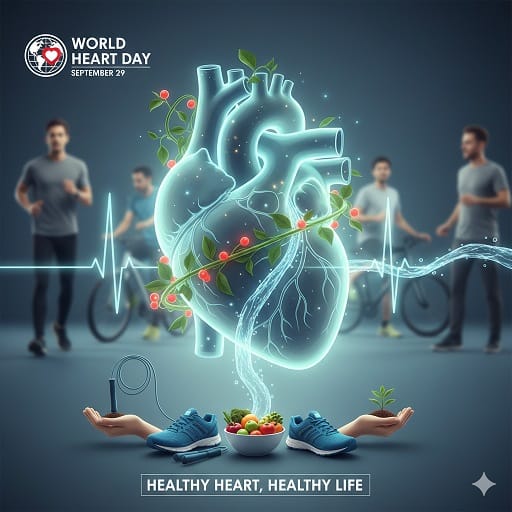
Heartbeats are the rhythms of life. Every heartbeat is a gentle reminder that life itself is a precious gift. Yet, millions across the world lose this gift prematurely due to cardiovascular diseases (CVDs). On September 29, the world observes World Heart Day, an annual campaign led by the World Heart Federation (WHF) to raise awareness about cardiovascular health, encourage preventive measures, and promote equitable access to care. The theme for World Heart Day 2025 is “Don’t Miss a Beat”, emphasizing the importance of early detection, proactive lifestyle choices, and consistent awareness to protect heart health.
The Global Burden of Cardiovascular Diseases
Cardiovascular diseases remain the leading cause of death worldwide, claiming approximately 20.5 million lives each year (World Heart Federation, 2024). They account for one-third of all global deaths, surpassing cancer, respiratory diseases, and infectious illnesses. The primary culprits include coronary artery disease, stroke, heart failure, rheumatic heart disease, and arrhythmias.
According to the World Health Organization (WHO), over 75% of CVD-related deaths occur in low- and middle-income countries, where healthcare access, early screening, and treatment remain limited. Alarmingly, CVDs do not only affect the elderly. Increasingly, young adults and even adolescents are falling prey due to sedentary lifestyles, poor diets, obesity, and stress.
India’s Rising Cardiovascular Challenge
India faces one of the world’s heaviest burdens of heart disease. Studies by the Indian Heart Association (IHA) reveal that sudden cardiac arrest claims more than 700,000 lives annually. Moreover, Indians tend to develop cardiovascular disease nearly a decade earlier than Western populations, with the average age of onset being 50 years compared to 60 in the West (IHA, 2023).
Speaking to the media, Dr. Ashok Gupta, Director of Cardiothoracic Surgery at the Delhi Heart and Lungs Institute, highlighted that 80% of premature heart disease is preventable. Preventive steps, including healthier diets, regular exercise, stress management, and timely medical check-ups, could drastically reduce this burden.
This Year’s Theme: Don’t Miss a Beat
The 2025 theme “Don’t Miss a Beat” is both literal and metaphorical. It stresses:
- Regular Heart Monitoring – Routine check-ups, ECGs, and screenings for hypertension, cholesterol, and diabetes can help detect risks early.
- Lifestyle Consistency – Avoiding “gaps” in healthy habits, such as quitting exercise after a short period, skipping medication, or delaying doctor visits.
- Global Solidarity – Governments and health institutions must ensure equitable access to heart care so that no one is left behind.
The WHF urges individuals, communities, and policymakers to take responsibility by:
- Adopting healthier lifestyles: eating nutritious foods, quitting tobacco, limiting alcohol, and engaging in regular physical activity.
- Implementing heart-friendly policies: urban planning that encourages walking, regulations on trans fats, and taxation on sugary drinks.
- Improving access to care: expanding rural healthcare, telemedicine, and subsidized treatments for heart conditions.
Why Prevention Matters
The World Health Federation estimates that over 80% of premature deaths from cardiovascular disease could be prevented by tackling major risk factors:
- Unhealthy diets high in salt, sugar, and trans fats.
- Physical inactivity, with more than 1 in 4 adults globally not meeting recommended activity levels (WHO, 2024).
- Tobacco use, which kills over 8 million people annually.
- Alcohol consumption, raising risks of hypertension and heart failure.
- Air pollution, now recognized as a significant cardiovascular risk factor.
Even small changes—like reducing salt intake, walking 30 minutes daily, and quitting smoking—can have profound effects on heart health.
The Role of Early Detection and Technology
The fight against CVDs is increasingly supported by innovations in digital health and medical technology. Smartwatches and fitness trackers now detect irregular heart rhythms, prompting early medical attention. Telemedicine platforms are helping patients in remote areas consult specialists. AI-based predictive tools are enabling doctors to forecast heart risks based on patient data.
India, with its vast rural population, can particularly benefit from such low-cost, tech-driven solutions. Government initiatives like the Ayushman Bharat Digital Health Mission aim to integrate these technologies into mainstream healthcare.
Stories That Inspire
Awareness days such as World Heart Day are not just about statistics; they are about human stories. Survivors of heart attacks often describe the experience as a wake-up call to adopt healthier lifestyles. Global campaigns have highlighted individuals who reversed their risk through exercise, diet changes, and stress reduction. Such stories serve as powerful reminders that change is possible and prevention works.
A Shared Responsibility
While individuals play a vital role in managing their health, governments and institutions bear equal responsibility. Policies that encourage healthy environments, affordable healthcare, and accessible medicines are critical. Schools can promote fitness by integrating physical activity into daily routines, while workplaces can support employee wellness programs.
The World Heart Federation stresses that equitable heart health must become a priority for all. Without global action, the cost of cardiovascular diseases—in lives lost, healthcare expenses, and economic productivity—will continue to escalate.
World Heart Day 2025 reminds us that the rhythm of life—our heartbeat—should not be taken for granted. With cardiovascular disease remaining the world’s number one killer, urgent action is needed on all fronts: personal responsibility, public health policy, and global cooperation.
The message is clear: Don’t Miss a Beat. From maintaining a healthy lifestyle to ensuring equitable access to care, every step counts. On this World Heart Day, let us commit to protecting the most vital rhythm of all—the heartbeat.
References
- World Heart Federation. (2024). Cardiovascular disease: Global statistics. Retrieved from https://world-heart-federation.org
- World Health Organization. (2024). Cardiovascular diseases (CVDs) fact sheet. Retrieved from https://www.who.int
- Indian Heart Association. (2023). Cardiovascular disease in India: A growing crisis. Retrieved from https://indianheartassociation.org
- Gupta, A. (2025). Media interaction on World Heart Day. Delhi Heart and Lungs Institute.
Disclaimer
This article is intended for informational and awareness purposes only. It should not be considered a substitute for professional medical advice, diagnosis, or treatment. Always consult a qualified healthcare provider or physician regarding any questions or concerns about your heart health or any medical condition.