
Last Updated on April 29, 2026 11:23 pm by INDIAN AWAAZ
While the second phase of polling saw strong participation, it was overshadowed by clashes, allegations, and administrative issues.
Aafreen Hussain in Kolkata
The second phase of the West Bengal Assembly Elections 2026 recorded strong voter turnout but was marked by violence, clashes between political workers, allegations against central forces, EVM malfunctions, and intense political confrontation across several districts.
Bhawanipur Flashpoint: Mamata vs Suvendu Episode
A major flashpoint emerged in Bhawanipur (Kolkata), a politically significant constituency linked to Chief Minister .
Tension escalated when , a senior leader and candidate, visited the area. Reports indicate that workers from the and BJP engaged in sloganeering, confrontation, and physical scuffles near polling locations.
Security forces, including central forces, intervened and carried out a lathi-charge to disperse the crowd. The situation briefly went out of control before additional deployment restored order.
Suvendu Adhikari BJP candidate bhawanipur and nandigram, alleged that he was deliberately targeted and obstructed, accusing the ruling party of mobilising outsiders and creating unrest.
On the other hand, TMC leaders accused him of attempting to influence voters by visiting booths and provoking tensions.
Death of Elderly Man in Howrah
In district’s Udaynarayanpur, an 81-year-old man died following an alleged altercation with personnel of the (CRPF). He reportedly collapsed near a polling station and was declared dead at a hospital. The exact cause of death is yet to be officially confirmed.
Army Personnel Assault Allegation in Bongaon
In Bongaon Dakshin (Gaighata, Booth 218), a serving personnel, Bidyut Dutta, was allegedly assaulted by (BSF) personnel after a dispute over parking near a polling booth. His wife was also reportedly assaulted while intervening. He was later hospitalised.
Lathi-Charge and Civilian Injuries
Incidents of alleged lathi-charge by central forces were reported from (Ausgram), injuring several voters. In Satgachia, a minor was reportedly seriously injured during a similar incident.
EVM and VVPAT Malfunctions
Multiple EVM and VVPAT malfunction complaints were reported from Jadavpur, Sonarpur, Ranaghat, Krishnanagar, and Jagaddal. Voting was temporarily halted in some booths before machines were replaced and polling resumed.
Other Incidents: Firearms, Intimidation, and Clashes
A firearm recovery near a polling booth in Jagaddal triggered concern, with allegations raised by a BJP candidate. In Titagarh, voters alleged attempts to influence them before entering polling stations. In Tehatta, a candidate accused ruling party workers of assaulting voters; the allegation was denied.
Political Reactions: Party Versions
Trinamool Congress (TMC)
The alleged that central forces and observers were acting under political pressure from the BJP and intimidating voters. The party also accused opposition leaders of provoking unrest at polling stations.
Bharatiya Janata Party (BJP)
The accused TMC cadres of violence, booth-level intimidation, and obstructing free voting. BJP leaders demanded strict intervention from the Election Commission.
Congress
The raised concerns over slow polling, lack of facilities for voters, and alleged exclusion of voters during roll revisions, calling for stricter monitoring.
CPI(M)
The alleged attacks on its workers and voters in multiple constituencies and criticised both TMC and BJP for undermining democratic processes.
ISF
The reported intimidation of its agents and voters in certain areas and called for greater security neutrality.
Voters’ Perspective
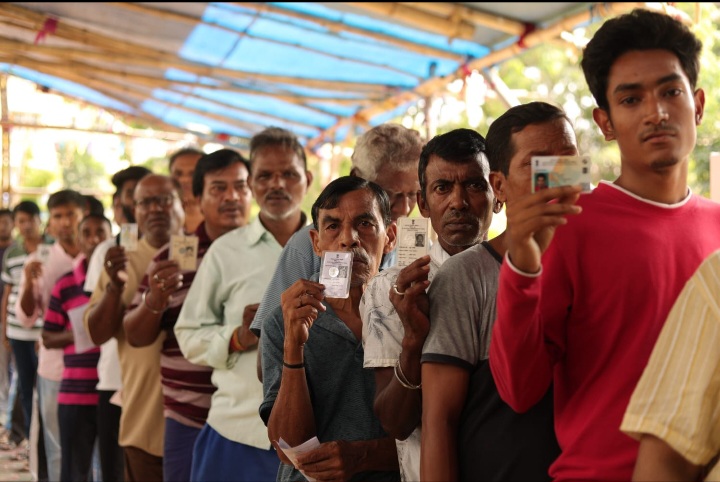
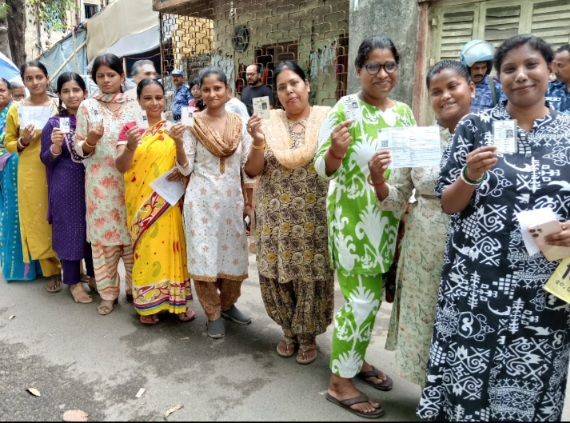
Despite disruptions, voters turned out in large numbers. Many expressed frustration over long queues, malfunctioning machines, and lack of basic facilities such as drinking water.
At the same time, a large section of voters stated that they were determined to exercise their democratic rights regardless of the challenges.
Police and Election Commission Response
Police forces conducted interventions, detentions, and route marches to control unrest. The has sought detailed reports on all incidents and assured action where violations are found.
While the second phase of polling saw strong participation, it was overshadowed by clashes, allegations, and administrative issues. The Bhawanipur confrontation and multiple incidents across districts have intensified political tensions, making the remaining phases of the election crucial for ensuring a peaceful and credible democratic process. Wait and watch process has to be adopted till 4 May When election results will be announced.