
Last Updated on June 28, 2026 11:58 pm by INDIAN AWAAZ
AMN / NEWS DESK
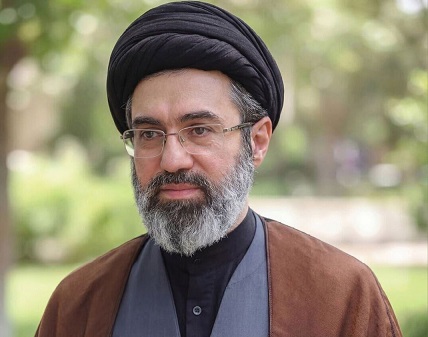
Top Leader of the Iran’s Islamic Revolution Ayatollah Seyyed Mojtaba Hosseini Khamenei calls on the country’s judicial apparatus to follow up on crimes committed against the Iranian nation, especially as a result of the US-Israeli wars of aggression since last year.
In the message on Sunday to mark the martyrdom anniversary of Ayatollah Mohammad Beheshti and his companions, designated as Judiciary Week, Ayatollah Khamenei said that one of the most important legal and judicial issues facing the entire nation currently is the pursuit and restoration of the rights of Iranians violated by “international criminals and arrogant and aggressive powers.”
Reflecting on the steadfastness of Imam Hossein (AS) and his followers, the Leader noted that their historic stand against oppression and tyranny, which took place some 1,400 years ago, continues to offer profound and enduring lessons for freedom-seekers worldwide.
According to IRNA, Ayatollah Khamenei further emphasized that the judiciary, as a fundamental pillar of society, bears the essential responsibility of protecting public rights and legitimate freedoms, combating corruption, upholding divine law, enforcing justice, and ensuring the rigorous oversight of these principles.
The Leader said physical, material and psychological damage sustained during American and Zionist attacks —from war crimes in Minab and Lamerd to attacks on medical and service facilities and even the slaughter of newborns—as well as the martyrdom of Leader of the Islamic Revolution Ayatollah Seyyed Ali Khamenei, should be pursued seriously in domestic and international courts.
Ayatollah Mojtaba Khamenei added that public acknowledgements and statements by US officials of aggressive powers regarding those incidents constitute evidence that should contribute to legal proceedings and efforts to restore violated rights and make perpetrators of those crimes face the consequences of their actions.
The Leader emphasized that successful performance in these areas would strengthen public trust in the system, arguing that the implementation of justice must reach a level where every oppressed person considers the Judiciary a safe haven.
Stating that the Judiciary holds a unique and unparalleled position for setting in motions other sectors, the Leader also underscored the need for reform within the judiciary itself, emphasizing that comprehensive judicial transformation requires sincerity, piety, determination, courage, innovation, effective use of modern technologies, and smart governance.