
Last Updated on November 23, 2026 12:59 pm by INDIAN AWAAZ
BIBHUDATTA PRADHAN
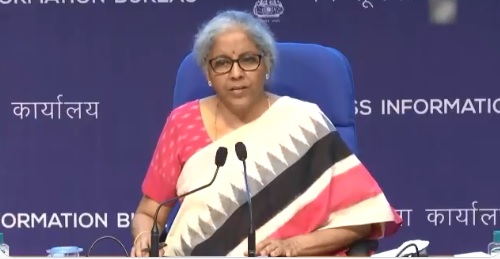
India’s war on poverty has moved past temporary handouts to dismantling the structural barriers that trap families in deprivation, Union Finance Minister Nirmala Sitharaman said on Monday. Citing recent World Bank figures showing nearly 50 crore Indians exited poverty between 2011 and 2023, she noted that targeted household interventions have nearly wiped out extreme poverty—a transformation Prime Minister Narendra Modi hailed as actively changing lives across the nation.
Sharing an article on social media, Ms Sitharaman explained that the government’s welfare strategy is anchored in the principle of Antyodaya—ensuring development reaches the last person in the queue. Instead of offering stopgap assistance, policymakers chose the harder route of tackling deprivations household by household through better access to basic services, financial inclusion, and sustainable livelihood opportunities.
The Finance Minister credited structural reforms such as Jan Dhan bank accounts and Direct Benefit Transfer (DBT) for plugging leakages and ensuring government aid lands directly in the accounts of intended beneficiaries. She also traced how expanded access to housing, healthcare, and clean drinking water has fuelled growing economic participation and entrepreneurship among rural women.
Looking ahead to India’s goal of becoming a Viksit Bharat by 2047, Ms Sitharaman stressed that locking in these gains will require sharper focus on job creation, quality education, skill development, and expanding opportunities for vulnerable communities.
Endorsing the Finance Minister’s piece, Prime Minister Modi remarked that India’s anti-poverty drive is delivering tangible change on the ground by moving decisively from temporary relief to long-term empowerment.