
Last Updated on July 5, 2026 12:16 pm by INDIAN AWAAZ
AGENCIES / Dehradun/New Delhi
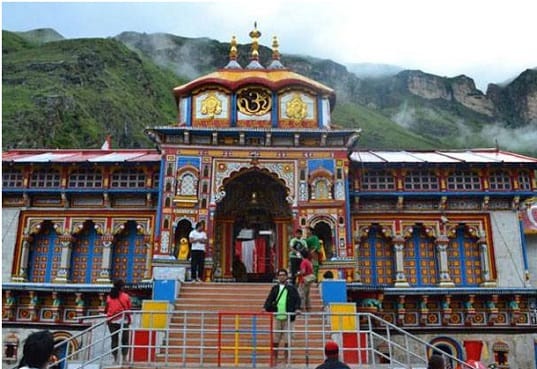
Questions regarding transparency in donations at two of the country’s largest Hindu pilgrimage sites are now becoming a subject of national debate. While the investigation into the alleged embezzlement of donation funds at the Shri Ram Janmabhoomi Temple in Ayodhya is still ongoing, fresh allegations of financial irregularities involving offerings and donations have now surfaced at the Badrinath Dham.
Following the viral allegations on social media, the Badrinath-Kedarnath Temple Committee (BKTC) has taken the matter seriously and constituted an inquiry committee. The committee has stated that if the allegations are proven true during the investigation, no guilty party will be spared.
BKTC President Hemant Dwivedi stated that this matter is linked to the faith of millions of devotees, and therefore, no allegation can be taken lightly. He confirmed that explanations have been sought from the concerned employees and an inquiry committee has been formed to probe the entire matter. According to Dwivedi, “If the allegations are proven correct during the investigation, strict action will be taken against the guilty as per the rules.”
It is worth noting that a Dehradun-based organization, Bhairav Sena, has alleged that irregularities are taking place in donation funds during the counting of offerings at Badrinath Dham. Although the temple committee stated that the accusers have not yet provided any concrete evidence, they have decided to conduct an impartial investigation to ensure there is no room for doubt.
BKTC Chief Executive Officer Sohan Singh Rangad explained that the inquiry committee will prepare its report based on available documents, CCTV footage, and the statements of the concerned employees. He mentioned that the recordings from the CCTV cameras installed in the temple premises were examined on Friday, but no conclusive evidence has emerged yet. According to sources, five CCTV cameras are installed in the room where the donation money is counted.
Claims were also made on social media that the employee under the scanner is the personal secretary to the BKTC President. Hemant Dwivedi completely refuted this claim, stating that the individual is a regular government employee of the committee and has served as a secretary under three previous presidents. He added that if any evidence against him surfaces during the investigation, action will be taken against him as well.
According to the BKTC, if any financial irregularity is found during the investigation, departmental and legal action will be taken under the Shri Badrinath-Kedarnath Temple Committee Act, 1939, and service rules. The committee has also appealed to the public to refrain from sharing unverified and misleading information on social media until the investigation is complete.
This investigation into the alleged theft of offerings at Badrinath comes at a time when an inquiry into alleged financial irregularities in the offerings at the Shri Ram Janmabhoomi Temple in Ayodhya is already underway. The Uttar Pradesh Police had initiated an investigation based on an FIR registered on June 25, 2026. The arrested accused in that case have been sent to judicial custody, and the Special Investigation Team (SIT) has been granted additional time to expand the scope of the investigation. Seeing the controversy escalate, Shri Ram Janmabhoomi Teerth Kshetra Trust General Secretary Champat Rai and Trustee Anil Mishra resigned from their posts, taking moral responsibility.
Nevertheless, major temples in the country are not merely centers of religious faith; they represent millions of rupees in donations and immense social trust. In such a scenario, an allegation of any kind of financial irregularity does not remain just an administrative matter; it becomes a test of the faith of the devotees and institutional transparency. In the Badrinath Dham case, only allegations have been made so far, and the investigation is ongoing. If the allegations are proven false, it will strengthen the credibility of the temple administration. Conversely, if irregularities are proven, it will further highlight the need for new standards in donation management, audit systems, digital tracking, and transparency in the country’s major religious institutions.