
Last Updated on August 16, 2026 5:22 pm by INDIAN AWAAZ
Zakir Hossain from Dhaka
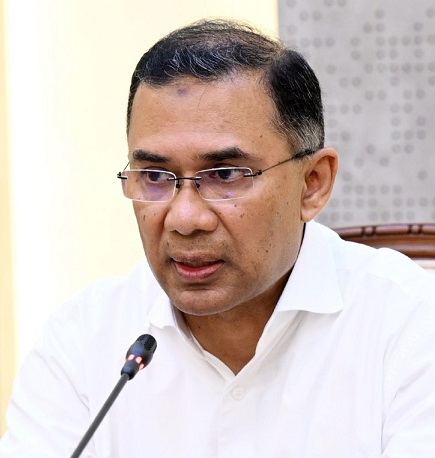
Bangladesh Prime Minister Tarique Rahman’s proposed maiden visit to India remains under discussion, but Dhaka on Sunday said a “conducive environment” must first be created, linking the trip to unresolved issues including the extradition of ousted prime minister Sheikh Hasina.
Officials in Dhaka and New Delhi have been in contact for several weeks over a bilateral visit, which could see the first face-to-face meeting between Rahman and Prime Minister Narendra Modi since the BNP government took office in February. Diplomatic sources had earlier indicated that dates in the second half of August, including August 22-23, were being considered, though no schedule has been finalised.
“We are of the view that a propitious environment needs to be created for the visit,” Bangladesh foreign ministry spokesperson AKM Shahidul Karim told reporters on Sunday.
Karim said discussions over the visit had been affected by Sheikh Hasina’s August 5 virtual interaction with journalists in New Delhi.
“However, this process was vitiated by the open press interaction in New Delhi on 5th August by Sheikh Hasina… We have made our position clear on this matter,” he said.
Dhaka has asked India to act quickly on its request to extradite Hasina and other fugitives and to hand over suspects accused of killing July uprising figure Sharif Osman Hadi under the bilateral extradition treaty.
“We are awaiting their response,” Karim said.
Hasina has been living in India since leaving Bangladesh following the collapse of her government in August 2024. Her presence in India and Dhaka’s extradition demand have since emerged as major irritants in bilateral ties. India has distanced itself from her recent media interaction, saying it was organised by a private entity and that the government neither organised nor endorsed the event.
Modi-Tarique meeting could reset ties
If the visit goes ahead, it would be Tarique’s first trip to India as prime minister and his first bilateral meeting with Modi. The two leaders are expected to discuss trade, connectivity, energy, border management, regional security and water-sharing issues.
The proposed meeting is being closely watched because India-Bangladesh relations deteriorated sharply after Hasina’s fall in 2024. Since returning to power in February, however, the BNP government has repeatedly indicated that it wants a working relationship with New Delhi while seeking changes in how the relationship is managed.
Recent diplomatic contacts have increased. Indian High Commissioner Dinesh Trivedi met Tarique in Dhaka on August 10, where the two sides discussed strengthening relations. Trivedi subsequently travelled to New Delhi for consultations, including a meeting with Modi.
India had extended a bilateral invitation to Tarique soon after he became prime minister. He has also been invited to attend the BRICS outreach session in New Delhi in September in his capacity as chair of BIMSTEC.
The Ganges Water Sharing Treaty, which expires in December, along with trade, connectivity and security, could feature prominently if Modi and Tarique meet.
Karim said Bangladesh would continue to follow what the government calls its “Bangladesh First” foreign policy, seeking friendly relations with neighbours based on “sovereign equality, national dignity, non-interference in each other’s internal affairs and mutual benefit”.
The latest statement therefore leaves Tarique’s Delhi trip possible but no longer certain for next week. Much may now depend on whether Dhaka and New Delhi can narrow their differences over Hasina and create the political atmosphere Bangladesh says is necessary for the first Modi-Tarique summit.