
Last Updated on August 20, 2026 6:13 pm by INDIAN AWAAZ
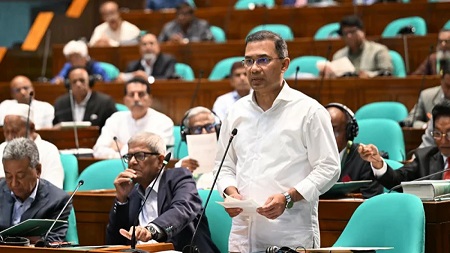
Zakir Hossain from Dhaka
Bangladesh Prime Minister Tarique Rahman’s maiden visit to India will have to wait until Dhaka and New Delhi rebuild sufficient “mutual trust”, his foreign affairs adviser Humaiun Kobir has said, even as India has made clear that its invitation remains open and it is ready to receive the Bangladesh leader.
The remarks have put a brake on speculation that Tarique could travel to New Delhi in August for his first bilateral meeting with Prime Minister Narendra Modi.
Kobir said Dhaka was not opposed to the visit but wanted an atmosphere in which the meeting could produce meaningful results.
Bangladesh wants relations with India to move forward on the basis of “mutual respect, trust and shared interests”, he said, a position Dhaka has repeatedly stressed since the BNP government took office in February. Earlier, Kobir had said a visit would take place when “the temperature comes down and a conducive atmosphere is in place”.
New Delhi, on the other hand, has already formally invited Tarique for a bilateral visit. Modi sent the invitation soon after the BNP leader became prime minister in February, telling him that “a warm welcome awaits you in India”. India has also separately invited Tarique to the BRICS outreach session in New Delhi in his capacity as chair of BIMSTEC.
Indian High Commissioner Dinesh Trivedi has also publicly underlined Delhi’s readiness.
“I think it is the prime minister’s prerogative. But from our side, I can say that we are eagerly looking forward to welcoming the head of the Bangladesh government to India. We hope the visit will take place very soon,” Trivedi said earlier.
The diplomatic signalling suggests that, from New Delhi’s point of view, the invitation is firmly on the table and the next move largely rests with Dhaka.
Hasina remains the key irritant
The biggest obstacle is the continuing dispute over ousted prime minister Sheikh Hasina, who has been living in India since her government fell in the student-led uprising of August 2024.
Dhaka has sought her extradition and has also asked India to prevent Hasina or members of organisations banned in Bangladesh from using Indian territory for political activities that could create instability across the border. India says the extradition request is being examined through its legal processes.
Tensions rose again after Hasina virtually addressed a media event in New Delhi on August 5. Bangladesh said the episode damaged efforts to create a favourable atmosphere for Tarique’s visit. India distanced itself from the event, saying it had been organised by a private entity and that the government neither organised nor endorsed the views expressed there.
Dhaka is also awaiting Indian action on requests concerning suspects accused of killing July uprising figure Sharif Osman Hadi.
Despite the friction, both governments have kept diplomatic channels open. Tarique met Trivedi in Dhaka on August 10 and called for a “conducive environment” to take relations forward. The Indian envoy flew to New Delhi shortly afterwards and met Modi, with the two discussing India-Bangladesh relations.
Trivedi has repeatedly argued that dialogue is the only way forward. “There is no issue that we cannot sit together and settle,” he said recently, while expressing confidence that a Modi-Tarique meeting could help resolve several outstanding problems.
For the two neighbours, the potential summit carries significance beyond the Hasina dispute. Trade, connectivity, energy, border management, visas and sharing of common river waters, including the Ganges treaty, which expires this year, remain on the bilateral agenda.
For now, Delhi’s message is that Tarique is welcome. Dhaka’s message is equally clear: before the prime minister travels, the political atmosphere and mutual trust between the neighbours must improve.