
Last Updated on June 1, 2025 9:22 pm by INDIAN AWAAZ
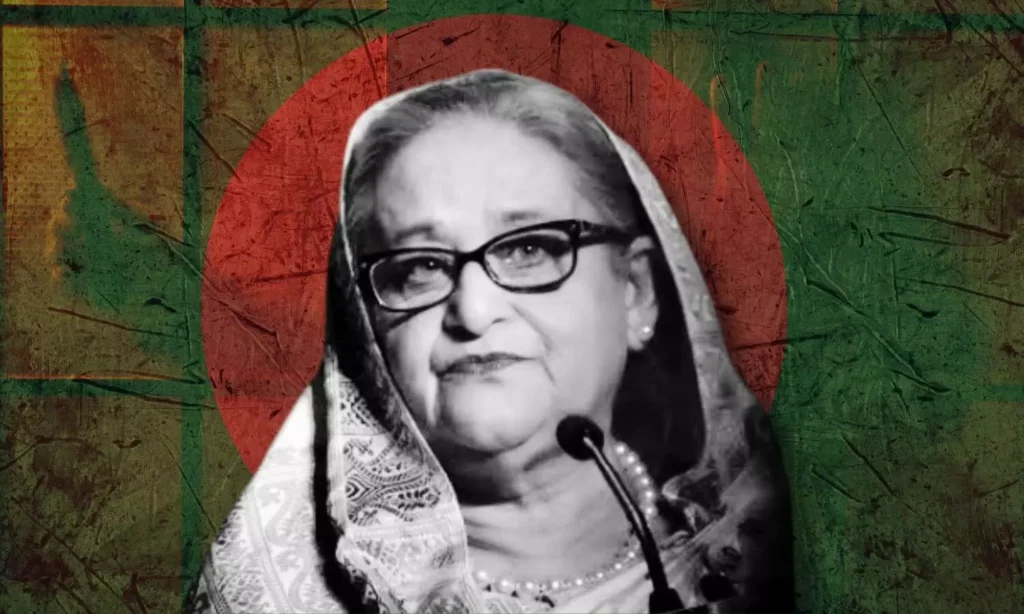
Zakir Hossain / Dhaka
Bangladesh’s International Crimes Tribunal (ICT) on Sunday formally charged deposed Prime Minister Sheikh Hasina and two top officials for their alleged role in the brutal crackdown on student-led protests last year, marking a historic moment in the country’s judicial history.
The charges include “crimes against humanity,” “mass murder,” and “systematic suppression of dissent” during the 2024 uprising, which left over 1,400 people dead according to UN estimates.
Chief Prosecutor Tajul Islam, speaking during a televised hearing, declared, “These killings were planned.” He cited encrypted communications, phone recordings, drone footage, and helicopter flight logs as key evidence. Islam said, “The accused unleashed all law enforcement agencies and her armed party members to crush the uprising,” and described the crackdown as “a coordinated, widespread, and systematic attack.”
Hasina, who ruled Bangladesh for over 15 years before stepping down in August 2024 amid massive protests, was charged in absentia. The tribunal also indicted former Home Minister Asaduzzaman Khan Kamal, who remains at large, and former Inspector General of Police Chowdhury Abdullah Al-Mamun, who is in custody.
The tribunal directed all three accused to appear before the court on June 16. A fresh arrest warrant has been issued for Hasina and Kamal, while Mamun will stand trial in person.
Prosecutors also alleged that Hasina, as the head of the government, holds “command responsibility” for the actions of security forces during the unrest. Islam further urged the court to declare Hasina’s Awami League party as a “criminal organisation” due to its alleged partisan role in orchestrating the violence.
This case marks the first time in Bangladesh’s history that a former Prime Minister is being tried in absentia on such grave charges. The trial began under tight security, with proceedings broadcast live on national television for the first time. However, the start of the hearing, scheduled for 9:30am, was delayed when unidentified individuals hurled three crude bombs at the tribunal gate early Sunday morning. Two bombs exploded, while the third was defused by police. Authorities are reviewing CCTV footage to identify and arrest the culprits.
Hasina has been residing in India since her ouster in August 2024, following weeks of protests led by students demanding her resignation over public sector job quotas and allegations of corruption. The interim government has sent a diplomatic note to India seeking Hasina’s repatriation, but New Delhi has so far only acknowledged receipt without further comment.
In a related development, the tribunal on May 25 began its first trial against eight police officers accused of killing six protesters in Dhaka on August 5—the same day Hasina fled. Four officers are in custody, while the remaining four are being tried in absentia.
The case against Hasina and her associates is based on testimonies from 81 witnesses and extensive forensic evidence. The UN and international human rights organisations have called for accountability over the deaths of over 1,400 people, including students, security personnel, and civilians, during the protests between July 15 and August 15 last year. Under the ICT-BD Act, if convicted, Hasina and her co-accused could face the death penalty. The charges signal a major turning point for Bangladesh’s legal and political landscape as the country reckons with its most violent political unrest since the 1971 Liberation War.