
Last Updated on November 24, 2026 4:15 pm by INDIAN AWAAZ
Choosing a cooking appliance depends on what you cook every day, how much you want to spend and what works in your kitchen. A Bajaj or Havells induction cooktop runs on electricity, while a gas stove uses LPG to produce a flame. Both can handle everyday meals, but they work differently and offer different benefits.
An induction cooktop heats food quickly and is easy to clean, while a gas stove works with most utensils and can be useful during power cuts. Comparing their features, costs and daily use will help you choose the right one.
Key Differences Between Induction Cooktops and Gas Stoves
Heating Method
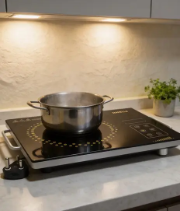
A Bajaj induction cooktop uses electricity to heat a suitable cooking vessel directly. It does not produce a flame. The cooking surface can stay cooler than the pan, though it may heat up from contact with the vessel.
A gas stove burns LPG to produce a flame that heats the bottom and sides of a pan. Some heat spreads into the kitchen instead of going into the food. This can make the cooking area warmer, especially when you use the stove for a long time.
Cooking Speed
An induction cooktop can heat a pan quickly, which helps when boiling water, making tea or preparing meals in a hurry. You may spend less time waiting for a pan to heat up.
A gas stove also heats food quickly, but the time depends on the burner and flame setting. The size of the pan and the amount of food also make a difference. If you cook several meals every day, compare the heating power of each appliance before buying one.
Heat Control
Induction cooktops usually have buttons or touch controls to change the power level. You can lower the heat quickly when milk starts boiling or when a dish needs to cook slowly.
A gas stove uses a knob to control the flame. You can see the flame getting bigger or smaller, which makes it easy to judge the heat while cooking. Both options offer useful control, but the experience depends on what you find easier to use.
Electricity and Gas Expenses
An induction cooktop uses electricity every time you cook. How much it costs depends on your electricity rate, the appliance’s power and how long you use it.
A gas stove uses LPG, so your expenses depend on the price of a cylinder and how often you need to replace it. Induction can use energy more efficiently because it heats the pan directly, but that does not always mean lower bills. Compare your usual cooking time, electricity rate and LPG expenses before making a decision.
Safety During Cooking
An induction cooktop has no open flame, which can reduce the risk of nearby items catching fire. Additionally, some models stop heating when you remove the pan. Nevertheless, the cooking surface may remain hot after use; therefore, do not handle it right away.
A gas stove needs more care because it uses a flame. Do not put towels, paper or anything else that can catch fire near the burners. Check the gas pipe regularly and turn off the supply after cooking. If you smell gas, avoid using flames or electrical switches, move to a safe place and contact your gas provider.
Utensils and Cookware
An induction cooktop needs utensils with a magnetic base. Many stainless-steel and cast-iron pans work, but ordinary aluminium, copper and glass vessels usually do not. You can test a pan by placing a magnet against its base. If it sticks firmly, the pan is generally suitable for induction. Check the manufacturer’s instructions before using it.
A gas stove works with most utensils that are safe for cooking over a flame. You can use many aluminium, stainless-steel, iron and clay vessels, depending on their design.
Cleaning and Daily Care
An induction cooktop has a flat surface without burner supports or gaps. Typically, you can use a soft towel to clean up spills once the device has cooled. This also makes it less likely that food will build up around the heating area.
A gas stove takes more time to clean because oil and food can collect around the burners and supports. You may need to remove these parts to clean them properly. Regular cleaning helps prevent blocked burner holes and keeps the flame working as it should.
Installation and Kitchen Space
A portable Bajaj induction cooktop doesn’t need a gas connection, making it ideal for small kitchens or rented homes. But make sure the electrical socket and wiring can handle the power it needs.
A gas stove needs a safe LPG connection and enough space for the cylinder or gas supply. Your kitchen should also have proper ventilation. If you are planning to install a built-in appliance, measure the available counter space and check the installation requirements first.
Use During Power Cuts
An induction cooktop stops working when the electricity goes out unless you have a suitable backup power supply. This can be inconvenient in areas where power cuts happen often.
A gas stove can usually continue working during a power cut, depending on its ignition system. Some models even have battery or manual ignition options. If your area has frequent outages, check this feature before buying a stove.
Features and Brand Selection
Before buying an induction cooktop, check its power settings, timer, pan detection feature and warranty. These details can make everyday cooking easier. Compare options in your budget to see which features you actually need.
Do not choose a model based on its brand name alone. Check the warranty terms, service availability and whether the appliance suits your daily cooking needs.
Conclusion
Induction cooktops and gas stoves both work well for everyday cooking, but the better choice depends on your kitchen and routine. Induction heats quickly and cleans easily, but gas works with a wider range of cookware and can keep running during a power outage.
Before you buy, consider operating costs, safety features, installation requirements and the utensils you already own.