
BIZ DESK
Solar power systems are designed to provide dependable electricity for homes and businesses that need greater control over their energy supply. When output falls unexpectedly, appliances may receive less power than expected, affecting the system’s overall usefulness.
An off-grid PV inverter plays a central role in converting and managing energy within an independent solar setup. However, low output can stem from several parts of the system rather than the inverter alone.
Understanding the possible causes can make troubleshooting more structured and help prevent unnecessary adjustments. Let’s explore the common reasons for low output and the practical ways to address them safely.
What is an Off-grid PV Inverter?
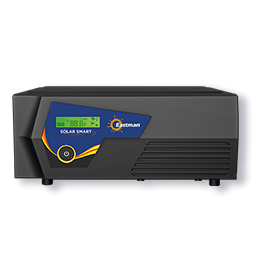
An off-grid PV inverter converts direct current (DC) electricity from solar panels and batteries into alternating current (AC) electricity for household or commercial appliances. Unlike grid-connected systems, an off-grid setup operates independently of the utility network and relies on solar generation and stored energy to maintain supply.
The inverter also manages energy between the solar array, battery bank, and connected loads. Depending on the system, charging technology such as Pulse Width Modulation (PWM) or Maximum Power Point Tracking (MPPT) can affect how efficiently available solar energy is utilised.
Since an off-grid PV inverter connects several important components, reduced output may originate from the solar panels, batteries, connected loads, wiring, or system configuration. Identifying the underlying cause is therefore important before making changes.
How to Fix Low Output From an Off-grid PV Inverter
Low output does not necessarily mean the off-grid PV inverter needs replacement. A systematic check can help identify common causes and determine the appropriate next step.
- Check the Solar Input
Insufficient sunlight can reduce the energy available to the system. Shade from trees or nearby structures, along with dust and debris on panels, can restrict solar generation.
Inspect the panels for visible obstructions and consider whether shading conditions have changed since installation. If generation remains low despite adequate sunlight, have a qualified technician assess the array and its electrical connections.
- Examine Battery Condition
In an off-grid system, batteries store solar energy for use when generation is unavailable. Low charge, reduced capacity, or a battery fault can limit the power available to connected appliances.
Check the battery’s charge status and look for warning indicators on the off-grid PV inverter. Avoid opening battery enclosures or attempting electrical repairs without suitable expertise.
- Review the Connected Load
High electricity demand can make an off-grid PV inverter appear to deliver insufficient power. Operating several high-power appliances simultaneously may approach or exceed the inverter’s rated capacity.
Review which appliances are running when the output drops. Refrigerators, pumps, and motors can also draw higher power when starting. Managing these loads can help reduce unnecessary strain on the system.
- Inspect Cables and Connections
Loose, damaged, or unsuitable electrical connections can affect energy transfer. Incorrect cable sizing can also increase losses and reduce system performance.
A qualified professional should inspect relevant cables, terminals, and protective devices. This becomes particularly important if low output occurs alongside unusual heating, repeated shutdowns, or fault alerts.
- Check for Fault Indicators
Modern off-grid PV inverter can display information about solar input, battery status, load conditions, and faults. These indicators can provide useful clues when output changes unexpectedly.
Check the display or monitoring interface for error codes or warning messages. Refer to the manufacturer’s documentation for the appropriate response rather than repeatedly restarting the system.
- Consider Temperature and Ventilation
Operating conditions can influence inverter performance. Excessive heat, inadequate ventilation, or an unsuitable installation environment may affect equipment efficiency.
Ensure the installation area provides the clearance and environmental conditions specified by the manufacturer. Keep ventilation openings unobstructed and avoid placing equipment outside its recommended operating conditions.
- Review System Capacity and Configuration
The inverter should match the solar array, battery system, and expected electrical demand. If household electricity consumption has increased, the existing capacity may no longer suit current requirements.
Compare the inverter’s rated output with the appliances being powered and review the overall system configuration. A professional assessment can determine whether the system requires adjustment, additional capacity, or another solution.
- Seek Professional Assistance
Some output problems require electrical testing and technical diagnosis. Attempting to inspect internal off-grid PV inverter components, battery connections, or live circuits without appropriate expertise can create safety risks.
If basic checks do not resolve the issue, arrange an inspection by a qualified solar professional. This can help identify the actual cause and prevent further equipment damage.
Improve Off-grid Solar Performance With the Right Solution
Low output can often be traced to factors beyond the off-grid PV inverter itself. Solar generation, battery condition, connected loads, wiring, operating temperature, and system capacity can all influence performance.
Regular monitoring and timely professional inspections can help maintain dependable operation. Selecting equipment that matches the solar array, battery storage, and expected loads is also important when installing or upgrading an off-grid system.
For households and businesses exploring off-grid power, trusted providers such as Eastman Auto & Power Limited offer solutions suited to different energy requirements. Let’s connect with the experts today to assess your requirements and explore a suitable off-grid solar solution.