
Last Updated on July 15, 2026 3:25 pm by INDIAN AWAAZ
By ANDALIB AKHTER
NEW DELHI: India and the United Kingdom have officially entered a transformative phase in their economic relationship. The Comprehensive Economic and Trade Agreement (CETA) and the Agreement on Social Security Contributions—the “Double Contribution Convention” (DCC)—came into force today, July 15, marking a milestone in the bilateral strategic partnership.
Following years of intensive negotiations that culminated in the 2025 signing ceremony, these agreements aim to operationalize the India-UK Roadmap 2030, with a long-term goal of doubling bilateral trade to USD 100 billion.
Unlocking Market Access
At the core of the CETA framework is a significant reduction in trade barriers. The agreement grants immediate zero-duty access for nearly 99 percent of India’s exports to the UK, covering almost the entirety of the bilateral trade value.
Key sectors set to benefit from the elimination of tariffs include:
- Processed Foods: Tariffs reduced from up to 70%.
- Marine Products: Tariffs reduced from up to 21.5%.
- Engineering Goods/Auto Components: Tariffs reduced from up to 18%.
- Leather and Footwear: Tariffs reduced from up to 16%.
- Textiles and Clothing: Tariffs reduced from up to 12%.
- Chemicals and Pharmaceuticals: Tariffs reduced from up to 8%.
Union Commerce and Industry Minister Piyush Goyal hailed the deal as a landmark in economic diplomacy. He noted that while the agreement aggressively expands India’s commercial footprint, it includes “stringent exclusion lists” to protect sensitive domestic agricultural sectors, such as dairy, cereals, and oilseeds, from import volatility.
Boost for Professionals and Services
The Double Contribution Convention (DCC) provides immediate relief to the Indian workforce in the UK. The agreement extends the exemption period for double social security contributions from three years to five years. The government estimates this will benefit over 75,000 Indian professionals and 900 companies by ensuring the continuity of social security benefits.
The service sector, a cornerstone of the Indian economy, also gains significantly. The UK has provided commitments covering 137 sub-sectors, including IT, finance, healthcare, and consultancy. In a unique cultural and professional exchange, the agreement also creates dedicated annual mobility opportunities for 1,800 Indian chefs, yoga instructors, and classical musicians.
Beyond Tariffs: A Modern Framework
CETA is designed as a “next-generation” agreement. Spanning 30 chapters, it goes beyond traditional trade to establish rules-based frameworks in:
- Digital Trade and Telecommunications
- Government Procurement (a first for a bilateral agreement)
- Innovation and MSME support
- Intellectual Property and Sustainability
Protecting Steel Trade
Addressing recent concerns regarding UK steel measures that took effect on July 1, 2026, the two nations have reached a consensus to safeguard bilateral steel trade. According to official data, 85 percent of Indian steel exports remain outside the scope of UK restrictions, with the remaining volume protected by country-specific quotas and the Authorised Use Scheme.
As India moves toward its Viksit Bharat 2047 vision, this new economic architecture is expected to serve as a vital engine for growth, fostering a more resilient and globally integrated domestic economy.
India-UK CETA creates unprecedented opportunities for key sectors: Union Minister Piyush Goyal
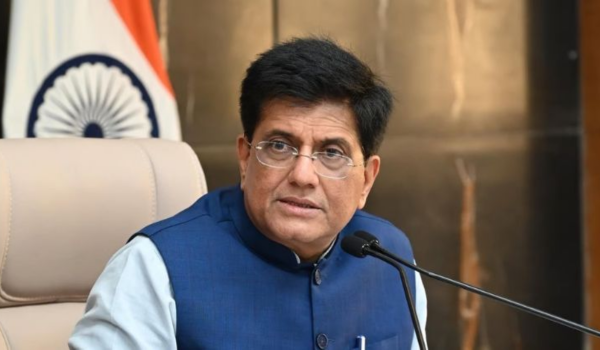
Union Commerce and Industry Minister Piyush Goyal has described today as a defining milestone in India-UK relations. In a social media post, Mr Goyal said that the India-UK Comprehensive Economic and Trade Agreement (CETA) and the Agreement on Social Security have come into force, providing zero-duty market access for nearly 99 per cent of India’s exports and covering almost 100 per cent of the bilateral trade value.
The minister said the India-UK Free Trade Agreement will create unprecedented opportunities for India’s textiles, leather, gems and jewellery, engineering goods, marine products, chemicals, processed foods, MSMEs, farmers and manufacturers. He added that the agreement also opens new avenues for the country’s IT, professional, financial, education and business services sectors, while enhancing mobility for Indian talent.
Mr Goyal said the Agreement on Social Security further strengthens the partnership by exempting Indian professionals on temporary assignments in the UK from double social security contributions for up to five years, thereby enhancing the global competitiveness of India’s workforce.
The minister added that India and the UK remain committed to building a resilient, innovation-driven partnership that will promote growth, investment and shared prosperity for generations to come.