
Last Updated on August 12, 2025 10:11 pm by INDIAN AWAAZ
Zakir Hossain / Dhaka
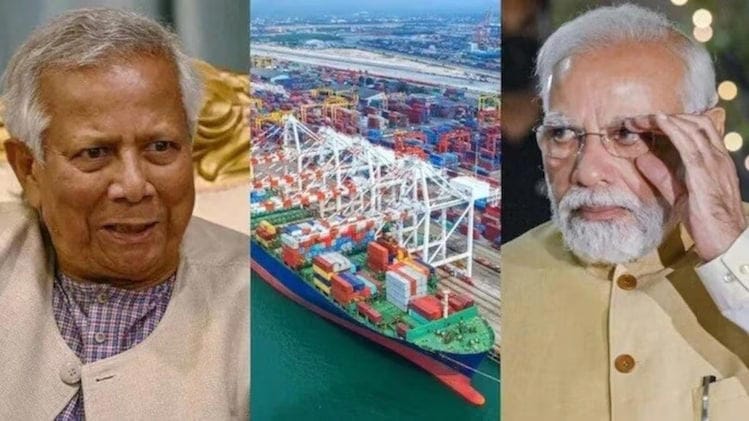
In a fresh trade restriction, India has barred the import of select jute products from Bangladesh via land routes. As per a directive issued by the Directorate General of Foreign Trade (DGFT) on Monday, four types of jute items can now only enter India through the Nhava Sheva Port in Mumbai.
The restricted products include jute and jute-based fabric, jute rope or cordage, rope or cordage made from jute products, and jute sacks or bags. The order took immediate effect, impacting the primary trade route for these goods.Industry insiders note that nearly 99% of these jute exports from Bangladesh to India are transported via land, meaning the new rule effectively blocks the main access route. Only around 1% currently use the sea route.
“It is like watching one lamp after another go out. India is taking one step after another that harms Bangladesh,” said Tapas Pramanik, president of the Bangladesh Jute Spinners Association (BJSA). “We have told the government before, and will tell them again, to initiate bilateral talks over these restrictions.”
Asked whether dialogue with India was likely, Pramanik added, “If Trump can sit with Putin, why can’t India sit with Bangladesh? At the same time, Bangladeshi businesses should seek alternative markets for jute exports.”
This is not the first such move in recent months. On June 27, DGFT restricted imports of other jute-related items like raw jute, jute rolls, jute yarn, and some specialised fabric through land ports. Earlier, on May 17, India also imposed land route restrictions on a range of Bangladeshi products including garments made in India, processed food, plastics, wooden furniture, yarn by-products, and beverages like fruit drinks and soft drinks. On April 9, India withdrew permission for Bangladesh to use Kolkata Airport as a transit point for exporting goods to third countries.
According to Bangladesh’s Export Promotion Bureau, the country exported goods worth USD 1.57 billion to India in FY 2023–24, representing 3.75% of its total export earnings. In return, it imported nearly USD 9 billion worth of goods from India—mainly raw materials and industrial inputs. Bangladesh remains a key market for Indian consumer products.