
Last Updated on June 7, 2026 1:40 pm by INDIAN AWAAZ
From Darjeeling’s misty slopes to global tea tables, a heritage estate reflects how sustainability can endure across generations
By Our Correspondent
As the world observes Environment Day and debates sustainable futures, one tea estate in the hills of Darjeeling is marking a quieter milestone — 165 years of living alongside nature rather than extracting from it.
Celebrating the legacy of Makaibari Tea Estate, Luxmi Tea has renewed attention to a model of cultivation that long preceded the modern sustainability movement. Established in 1859, Makaibari has built its identity around an idea that now resonates globally: healthy ecosystems and thriving communities are inseparable.
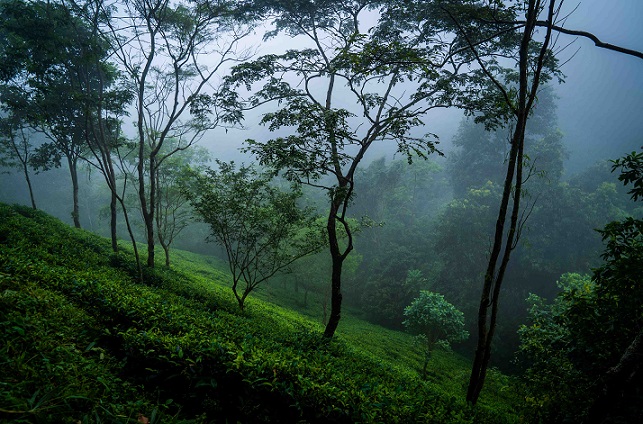
Nestled in the Kurseong region of West Bengal, the estate extends across nearly 1,600 acres, but only a fraction is dedicated to tea cultivation. The remaining landscape has been preserved as forest cover, wildlife corridors, and watershed areas — a deliberate choice that reflects its environmental philosophy.
Makaibari is recognised as the world’s first certified biodynamic tea garden, adopting practices that treat the farm as a living ecosystem. From natural soil enrichment and composting to cultivation aligned with seasonal and ecological cycles, the estate has focused on maintaining biodiversity while protecting long-term soil health.
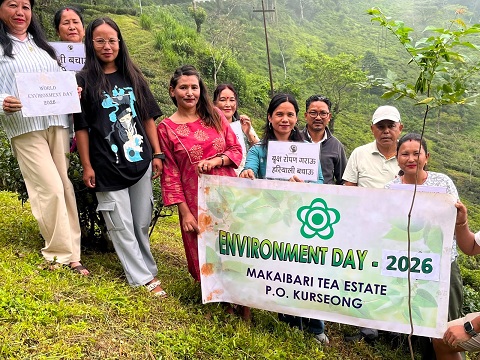
Its sustainability journey extends beyond agriculture. Fairtrade-linked initiatives and community-centred programmes have supported education, healthcare access, and women’s empowerment across surrounding areas, embedding social responsibility into everyday operations.
Rudra Chatterjee, Managing Director of Luxmi Tea Co. Pvt. Ltd., said sustainability at Makaibari has never been viewed as a trend but as a way of life rooted in mindful choices and respect for nature.
Over the decades, Makaibari teas have earned recognition in international markets and have been served at leading hospitality destinations, with its celebrated First Flush harvest continuing to attract tea connoisseurs worldwide.
At a time when environmental conversations increasingly focus on balance and restoration, Makaibari’s story offers a reminder that sustainability can be less about reinvention and more about preserving practices that have stood the test of time.