
Last Updated on June 22, 2026 12:07 am by INDIAN AWAAZ
AMN / NEWS DESK
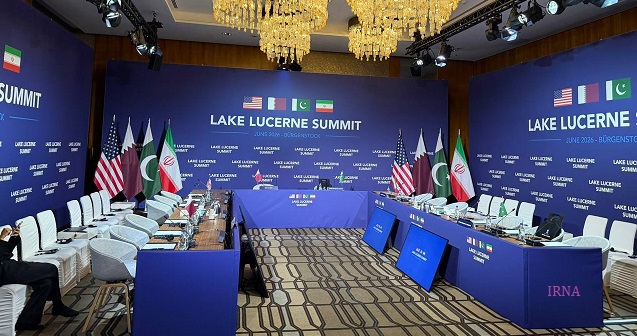
Obbuergen, Switzerland: High-level negotiations between the United States and Iran formally commenced on Sunday in Switzerland as both sides attempt to convert a recently signed interim understanding into a broader agreement on Tehran’s nuclear programme and regional security concerns.
The negotiations, being held at a resort overlooking Lake Lucerne, are viewed as a critical diplomatic exercise with implications for energy markets, Middle East stability and global security. The talks come days after Washington and Tehran announced a preliminary framework intended to reduce tensions and preserve uninterrupted maritime trade through the strategically important Strait of Hormuz.
Diplomatic sources and international media reports indicate that negotiators now face an intensive 60-day phase aimed at finalising technical and political details of the proposed arrangement.
However, the diplomatic momentum is already facing pressure from developments on the ground. Fresh hostilities involving Israel and the Iran-backed Hezbollah group in Lebanon triggered concerns over whether the fragile understanding can survive regional escalation. At the same time, statements emerging from Iran’s military regarding renewed restrictions in the Strait of Hormuz added uncertainty to international energy and shipping markets.
A ceasefire effort in Lebanon, reportedly brokered on Saturday, appeared to hold through the opening phase of the negotiations.
Opening the discussions, US Vice President JD Vance described the gathering as a potentially historic opportunity for reshaping regional relations.
Addressing media before closed-door meetings began, Vance said the talks could determine whether the Middle East moves toward a more stable future or returns to recurring cycles of confrontation.
Iranian Foreign Minister Abbas Araghchi was briefly seen alongside the US delegation before negotiations moved into separate sessions.
Even as discussions began in Switzerland, US President Donald Trump issued a warning through social media, cautioning Iran against allowing its regional allies to intensify conflict in Lebanon and indicating Washington could respond militarily if instability continued.
Earlier in the day, Vance held separate consultations with Pakistan Prime Minister Shehbaz Sharif and Pakistan Army Chief Field Marshal Asim Munir, who diplomatic observers have identified as playing an intermediary role during recent regional engagement efforts.
Sharif also held separate meetings with Iranian Parliament Speaker Mohammad Bagher Qalibaf and Foreign Minister Araghchi.
Officials from Qatar participated in the diplomatic outreach, reflecting Doha’s continuing role in regional mediation efforts.
Separately, International Atomic Energy Agency (IAEA) Director General Rafael Grossi met Swiss officials on the sidelines. The UN nuclear watchdog remains a key institution in monitoring any future verification mechanism, having overseen implementation of the earlier 2015 nuclear agreement before the US withdrew in 2018.
Iranian officials indicated that Tehran intends to prioritise implementation of clauses linked to halting regional conflicts, including fighting involving Israel and Hezbollah. Iranian representatives also argued that sustaining ceasefire commitments would be essential for broader progress in the negotiations.
The outcome of the Switzerland talks is expected to be closely watched by global markets and regional capitals over the coming weeks.