
Last Updated on June 7, 2026 3:52 pm by INDIAN AWAAZ
Drone interceptions, missile exchanges and renewed regional instability raise concerns over maritime security and ceasefire prospects
AMN / NEWS DESK
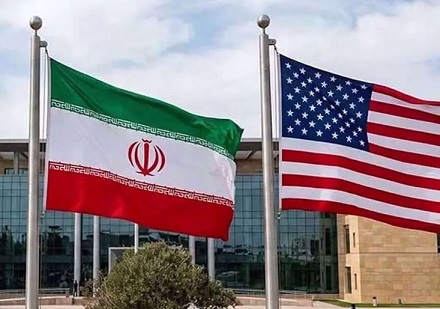
The confrontation between the United States and Iran entered its 100th day on Sunday, underscoring how a conflict that began earlier this year has widened into a broader regional crisis stretching from the Gulf to parts of West Asia.
Recent military exchanges have intensified concerns over the security of the Strait of Hormuz — a strategic maritime corridor that carries a significant share of global energy trade. Analysts and previous Reuters reporting had warned that sustained disruption in the waterway could trigger wider economic and geopolitical consequences.
The latest escalation unfolded over the weekend. According to the U.S. Central Command (CENTCOM), American forces intercepted Iranian one-way attack drones near the Strait of Hormuz after determining they posed a threat to maritime traffic. Reuters reported that the interceptions were followed by U.S. strikes on Iranian coastal radar and surveillance positions at Goruk and Qeshm Island, which Washington described as defensive measures aimed at protecting navigation routes.
Iran subsequently launched ballistic missiles and drones toward Bahrain and Kuwait, according to statements cited by Reuters and international media. Most incoming threats were reportedly intercepted, although the incident represented one of the sharpest direct military exchanges in recent weeks and renewed concerns about Gulf infrastructure and regional stability.
The fallout has extended beyond the Gulf. Parallel tensions in Lebanon and continued military activity have complicated attempts to preserve ceasefire arrangements and contain the conflict from spilling into additional theatres. Reuters reported that diplomatic engagement remains active but has yet to produce a durable breakthrough.
Negotiations are now focused on several contentious issues, including maritime security, sanctions relief and the future of frozen Iranian assets held abroad. Reuters reported that officials in Washington are examining whether some Iranian assets could eventually be redirected to support reconstruction and recovery efforts in Gulf countries affected by recent attacks, although no final policy decision has been announced.
As the conflict moves beyond the symbolic 100-day mark, diplomacy and military signalling continue side by side, leaving the prospects for a wider settlement uncertain and the region on alert.