
Last Updated on January 14, 2026 1:12 am by INDIAN AWAAZ
By Nisha
The fragrance of books, the soft rustle of turning pages, and the words etched upon them transport us to an entirely different world. Whether it is science and knowledge or romance, cooking or yoga, politics or economics, the nation or the wider world—books have always been loyal companions for everyone, from children to the young and the elderly alike.
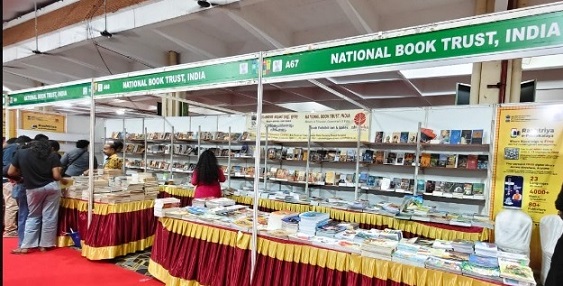
Every book lover eagerly awaits the World Book Fair held in Delhi. In the winter chill of the capital, the warmth of books brings a sense of comfort and joy. The World Book Fair 2026 is being held in Delhi from January 10 to 18, featuring more than 1,000 publishers and over 3,000 stalls, including both Indian and international publishing houses. Organized by the National Book Trust for the past 53 years, the fair reflects India’s strong literary tradition. India ranks third in the world in book publishing, underlining the enduring importance of books in the country.
However, a noticeable transformation is gradually taking place. The venue, Pragati Maidan, has now been renamed Bharat Mandapam—and the change is not limited to the name alone. Many aspects of the fair have changed. Increasingly, the book fair is being organized like a marketing event, where the focus often shifts away from books to other attractions.
Inviting film stars and celebrities, offering free entry, and creating crowd-pulling spectacles do draw large numbers, but one must ask whether this truly benefits books or their readers. Such practices attract many visitors who have little interest in reading and attend merely for entertainment or to pass time.
Earlier, readers would wait all year to meet their favorite authors and eagerly seek autographs on newly purchased books. Serious discussions at author forums once drew attentive audiences. Today, however, these sessions often have only a handful of listeners—some of whom appear to be resting rather than engaging with the conversation.
A selfie corner featuring a photograph of the Prime Minister in military uniform raises an important question. Should the Prime Minister not be shown holding a book instead? After all, while bravery protects a nation, books shape its thinking, identity, and collective understanding. A harmonious blend of both would better capture the true spirit of such a literary gathering.
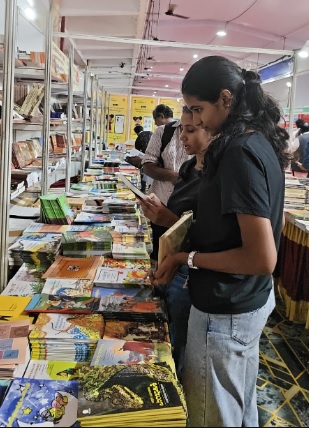
Today’s Gen Z youth, increasingly, come not to read books but to take selfies with them. At a time when declining reading habits are creating serious challenges for publishers, it is essential to preserve the sanctity of the book fair. It should remain a space where authors, publishers, and readers can interact meaningfully—working together to make the enchanting world of books richer and more vibrant.
Writer is an Educationist