
Last Updated on May 15, 2026 8:42 pm by INDIAN AWAAZ
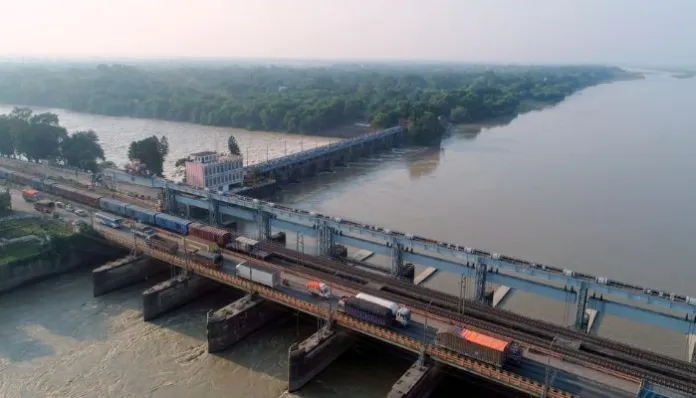
The roots of the Farakka issue lie in colonial-era river management and post-independence economic priorities. Commissioned in 1975, the Farakka Barrage was designed to divert water from the Ganga into the Hooghly River, preventing siltation and ensuring the operational viability of Kolkata Port.
Zakir Hossain from Dhaka
Bangladesh Nationalist Party (BNP) on Thursday reiterated concerns over water-sharing with India ahead of the observance of Farakka Day on Friday, with party secretary general Mirza Fakhrul Islam Alamgir calling the issue a continuing threat to Bangladesh’s environment and survival.
In a statement, Fakhrul described May 16 as “a historic and significant day in the country’s national movement” and said the Farakka Barrage had turned into a “death trap,” depriving Bangladesh of its rightful share of Ganges water.
Referring to the historic long march led by Maulana Abdul Hamid Khan Bhashani on May 16, 1976, Fakhrul said thousands joined the protest from across the country to demand Bangladesh’s fair share of water “in accordance with international law.”
“Following the construction of the Farakka Barrage at the Farakka point in India, unilateral withdrawal of water from the shared river began, severely affecting the northwestern region of Bangladesh,” he said, alleging that the move caused environmental imbalance and ecological degradation.
Fakhrul said the then government had allowed the barrage to operate on an experimental basis despite public opposition and humanitarian concerns. “The barrage has since remained operational and has turned into a death trap,” he said.