
Last Updated on March 13, 2026 5:43 pm by INDIAN AWAAZ
Zakir Hossain from Dhaka
Bangladesh is set to launch its first surveillance study to detect drug-resistant malaria strains in Rohingya refugee camps near the Myanmar border, a move health experts say is crucial for protecting the country’s progress toward eliminating the disease.
The research will be conducted by the International Centre for Diarrhoeal Disease Research, Bangladesh in collaboration with the National Malaria Elimination Programme under the Directorate General of Health Services and development organisation BRAC, according to an announcement issued on March 11.
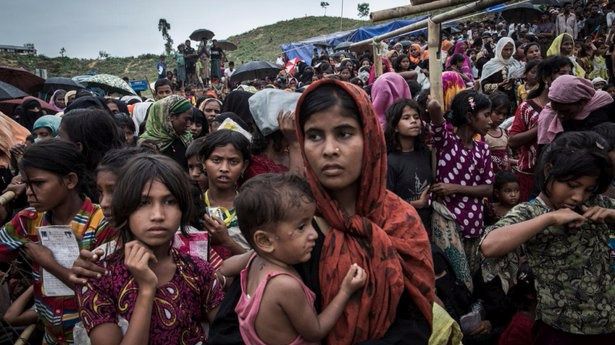
Researchers will analyse blood samples from malaria patients in refugee settlements in Cox’s Bazar, where more than 1.18 million Rohingya refugees from Myanmar have lived since fleeing genocide in 2017.
The study will examine genetic mutations in malaria parasites that signal resistance to commonly used treatments, particularly Artemisinin-based combination therapy, the world’s most widely used malaria treatment. Experts say such monitoring has become increasingly important as drug-resistant malaria strains have been reported in parts of Southeast Asia, including neighbouring Myanmar. If resistant parasites spread into Bangladesh, they could weaken existing treatments and complicate disease control efforts.
Malaria is transmitted through infected mosquitoes, and the most severe infections are caused by the parasite Plasmodium falciparum.
The densely populated Rohingya camps near the Bangladesh-Myanmar border are considered highly vulnerable to infectious diseases. Public health specialists say cross-border movement increases the risk of introducing new parasite strains.
Recent monitoring by BRAC shows malaria cases in the camps have risen. In 2021, health workers recorded 291 confirmed infections among refugees, many linked to travel to malaria-prone hilly districts of southeastern Bangladesh or movement from Myanmar.
Officials and humanitarian agencies discussed the surveillance plan at a coordination meeting on March 10 at the office of the Refugee Relief and Repatriation Commissioner in Cox’s Bazar.
Under the project, malaria patients from selected camps and nearby health facilities will be enrolled, and blood samples analysed to detect genetic markers of resistance and measure how quickly parasites disappear after treatment, a key indicator of drug effectiveness. The project is funded by Global Affairs Canada, with patient enrolment expected to begin in April.
Bangladesh aims to eliminate local malaria transmission by 2030 under its National Malaria Elimination Strategy for 2024–2030, with experts saying early detection of drug resistance will be critical to protecting both refugees and surrounding communities.