
Last Updated on November 20, 2026 10:49 pm by INDIAN AWAAZ
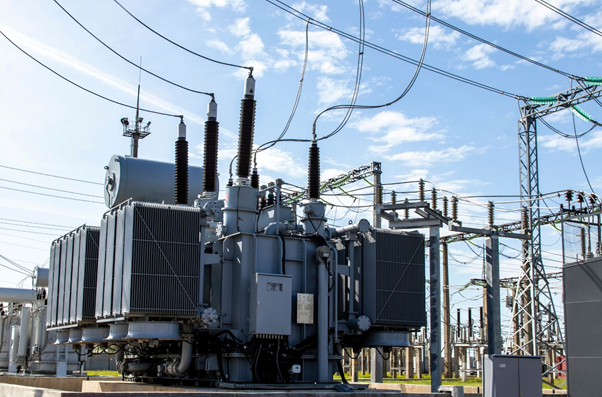
A transformer upgrade often begins with a practical problem: rising demand, recurring temperature alarms, or equipment approaching the end of its useful life. Replacing it requires more than matching the existing nameplate.
The decision affects installation costs, maintenance access, and the electrical equipment connected downstream. A larger unit may accommodate expansion, but it can also change protection requirements and operating economics.
Let us understand what you should evaluate before upgrading transformer solutions.
Start With Actual Demand
Review measured demand across normal operations, peak periods, and seasonal changes. Connected equipment capacity alone does not show how much power the facility uses simultaneously.
When assessing transformer solutions, ask the electrical designer to account for:
- Current demand and realistic expansion plans.
- Power factor and harmonic distortion.
- Short-duration overloads and starting requirements.
- Loading when another supply path is unavailable.
Harmonic distortions caused by nonlinear loads can affect transformer sizing and heating. Their influence should be assessed using actual equipment characteristics rather than a standard allowance applied to every project.
Compare Operating Losses, Not Just Purchase Prices
A lower quotation does not automatically mean lower ownership costs. Transformers incur no-load losses whenever energized, while load losses vary with operating demand.
Compare transformer solutions over the same evaluation period, using consistent electricity tariffs, load profiles, and financial assumptions. Request guaranteed loss figures and supporting test documentation. The total owning cost approach includes the purchase price and the evaluated cost of no-load and load losses.
The following checks help make competing quotations easier to assess.
| Evaluation Area | Information to Request | Decision it Supports |
| Electrical Losses | No-load and load-loss figures | Long-term energy costs |
| Installation | Dimensions, weight, and access needs | Site readiness and installation budget |
| Maintenance | Tasks, intervals, and service arrangements | Planned maintenance costs |
| Expansion | Capacity assumptions and operating limits | Future upgrade requirements |
| Delivery | Manufacturing and commissioning schedule | Replacement planning |
Check the Installation Environment
The choice between dry-type and liquid-filled equipment needs a site-specific assessment. Cooling arrangements, ventilation, fire precautions, access, and maintenance requirements all influence suitability.
For indoor installations, confirm available space and heat-removal arrangements before ordering. For other locations, assess environmental exposure and any applicable containment requirements. Dry-type and liquid-filled transformers use different cooling media, so their installation provisions should be reviewed individually.
Suitable transformer solutions must fit both the electrical specification and the physical conditions where they will operate.
Review Protection and Reliability Together
Changing transformer capacity or impedance can affect downstream fault levels. Existing switchgear and protection settings therefore need review as part of the upgrade.
Ask qualified designers to verify short-circuit ratings, protection coordination, and interactions with backup supplies. For data centers, assess what happens during a transformer outage or maintenance shutdown. Reliability depends on the complete distribution architecture, including its shared failure points.
A commonly asked question is, “Which transformer options meet long-term thermal and electrical reliability objectives without high oil maintenance or replacement cost risks?”
Dry-type transformers, including cast-resin designs, are options to assess because they eliminate insulating oil and its associated maintenance. Suitability depends on loading, ventilation, ambient conditions, insulation performance, and protection coordination. Compare expected service life, inspection requirements, repairability, and replacement costs before selecting a design.
Plan the Changeover Before Selecting a Partner
Confirm shutdown windows, temporary supply needs, commissioning responsibilities, and acceptance tests before approving the purchase. Assign responsibility for drawings, settings, test records, and maintenance handover.
Collaborating with a reputable electrical brand can support specification reviews, equipment compatibility, and service planning. Evaluate local technical support, warranty coverage, and replacement-part availability.
The strongest upgrade proposal connects transformer solutions to measurable needs, documented operating costs, and a workable installation plan. That gives facility teams a clearer basis for approval and future maintenance.