
Last Updated on November 4, 2026 11:27 pm by INDIAN AWAAZ
By Our Correspondent
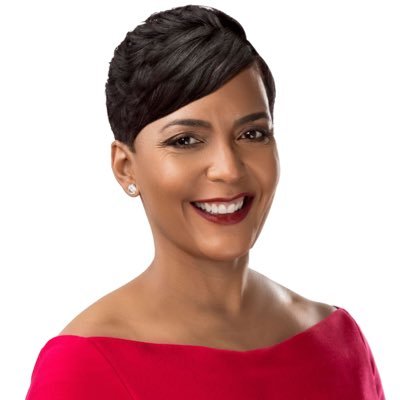
Keisha Lance Bottoms has made history by becoming the first Black woman elected Governor of Georgia, marking a significant milestone in the political history of the southern US state. A seasoned public administrator and Democratic leader, Bottoms brings with her experience in local government, the judiciary and the White House, having built her political career around civil rights, economic opportunity and inclusive development.
Her victory represents not only a personal political achievement but also a landmark moment for a state whose political landscape has undergone significant changes in recent years.
Born and raised in Georgia, Bottoms traces her family roots back five generations to a slave plantation near Crawfordville. Her background and family history have strongly shaped her commitment to public service and her efforts to expand opportunities for working families.
Before entering state-level politics, Bottoms served as the 60th Mayor of Atlanta from January 2018 to January 2022. She was elected at a time when the city was facing major challenges, and her tenure was soon tested by the Covid-19 pandemic and its economic and social consequences.
As mayor, she pursued her vision of “One Atlanta” — a city that was affordable, resilient and equitable. Her administration focused on affordable housing, public safety, civil rights reforms, support for small businesses and expanding economic opportunities.
One of the major achievements of her mayoral tenure was maintaining four consecutive balanced budgets during a period of severe economic uncertainty. Her administration did so without raising property taxes or resorting to layoffs and furloughs of city employees. At the end of her term, Atlanta’s financial reserves stood at nearly $181 million, close to a record level and well above the minimum required under the city charter.
Bottoms also secured significant investments in affordable housing and delivered a historic pay increase for Atlanta’s first responders. She emerged as a prominent national voice on civil rights and police reform, particularly during the nationwide debate over racial justice and policing.
Her political career has been distinguished by experience across different branches of government. Before becoming mayor, she served as a judge and a member of the Atlanta City Council. She became the first mayor in Atlanta’s history to have served in all three branches of government — judicial, legislative and executive.
After completing her mayoral term, Bottoms joined the administration of President Joe Biden as a Senior Adviser. In that role, she led the transformation of the White House Office of Public Engagement and helped shape the administration’s outreach to a wide range of communities and stakeholders across the country.
Her responsibilities included engagement with business leaders, African-American communities, LGBTQ+ groups, labour unions, Asian American and Pacific Islander communities, Latinos and people with disabilities. The experience gave her a broader understanding of national policymaking and the concerns of diverse sections of American society.
Bottoms has also held leadership roles in national municipal organisations. She served as chair of the Community Development and Housing Committee and the Census Task Force of the United States Conference of Mayors. She was also a trustee of the African American Mayors Association.
Her contribution to civil rights and public service has been recognised by the Lawyers’ Committee for Civil Rights Under Law, which presented her with its Distinguished Civil Rights Advocate Award for her work to advance equity and protect marginalised communities.
As Governor-elect, Bottoms now faces the challenge of translating her experience in city administration and national politics into a statewide agenda. Her record in Atlanta, particularly on housing, public safety, economic opportunity and financial management, is likely to shape expectations from her administration.
Her election has opened a new chapter in Georgia’s political history, making her a prominent figure in the growing representation of women and African-Americans in US political leadership.