
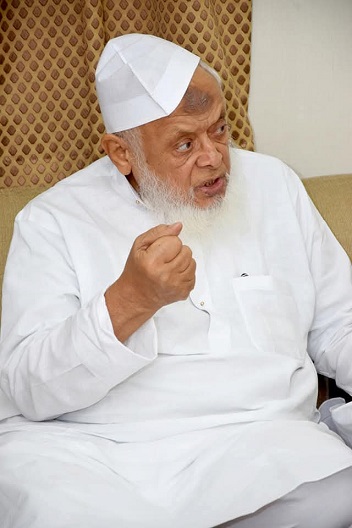
Jamiat Ulama-i-Hind Condemns UP Deputy CM’s Remarks on Madrasas, Warns Against Communal Polarisation
By Our Correspondent
New Delhi: Jamiat Ulama-i-Hind President Maulana Arshad Madani has strongly condemned Uttar Pradesh Deputy Chief Minister Keshav Prasad Maurya’s reported remarks describing madrasas as “hubs of terrorism,” calling the statement “highly irresponsible, prejudicial and unconstitutional.”
In a strongly worded statement issued on Tuesday, Maulana Madani said such comments from a person holding a constitutional office undermine the dignity of the office and threaten the country’s social harmony. He asserted that the remarks amounted to an insult not only to India’s centuries-old educational and religious institutions but also to the constitutional principles of equality, religious freedom and mutual respect.
“The Constitution guarantees equal rights to every citizen and expects those in public office to uphold these values. Making sweeping allegations against madrasas and their students is a direct affront to these constitutional ideals,” Madani said.
Rejecting the allegation that madrasas promote terrorism, the Jamiat chief said that millions of students, teachers and graduates associated with these institutions cannot be collectively branded on the basis of political rhetoric. He described such statements as an attempt to create suspicion and division within society.
Highlighting the historical role of Islamic seminaries, Maulana Madani said madrasas had played a significant role in India’s freedom movement. He said scholars associated with institutions such as Darul Uloom Deoband were among those who led the struggle against British colonial rule, endured imprisonment, exile and execution, and made immense sacrifices for the country’s independence.
He said the contributions of scholars including Sheikh-ul-Hind Maulana Mahmud Hasan Deobandi, Maulana Hussain Ahmad Madani and Maulana Ubaidullah Sindhi form an important chapter in India’s freedom struggle. According to Madani, these scholars chose imprisonment and hardship over compromise with the colonial administration and remained committed to the cause of national independence.
Referring to historical records, Madani also alleged that while scholars from Darul Uloom Deoband were participating in the freedom movement, certain pro-British leaders of that era had submitted mercy petitions to the colonial government. He said these records demonstrate the contrasting roles played during the independence struggle.
The Jamiat president alleged that madrasas have increasingly become targets of political campaigns in recent years. He said questions have repeatedly been raised about their curriculum, patriotism and functioning, and that the latest remarks branding them as centres of terrorism were part of a larger attempt to create communal polarisation.
He further stressed that the office of the Deputy Chief Minister represents every citizen of the state, irrespective of religion or political affiliation. Therefore, he said, public representatives who have taken an oath to uphold the Constitution must promote unity, trust and communal harmony instead of making statements that hurt the sentiments of any community.
Maulana Madani said Jamiat Ulama-i-Hind would continue to counter what it described as misinformation about madrasas through constitutional and democratic means. “We do not respond to hatred with hatred, but we will firmly oppose every attempt to distort history, defame madrasas and spread prejudice against Muslims,” he said.
Concluding his statement, Madani said India’s strength lies in its Constitution, democratic values, justice, religious freedom and the shared legacy of the freedom movement rather than in divisive politics. He asserted that preserving communal harmony and respecting all educational and religious institutions are essential for the country’s future.