
Staff Reporter
In a major boost to agrarian exports from Northeast India, Assam’s renowned Tezpur litchi has officially entered the global market. Union Commerce and Industry Minister Piyush Goyal announced that the inaugural export shipment of this geographical indication (GI) tagged fruit has departed for Dubai.
The milestone shipment was facilitated through the active support of the Agricultural and Processed Food Products Export Development Authority (APEDA), marking a strategic step forward in putting the region’s unique produce on the world map.
Key Highlights of the Export Initiative
- Global Recognition: Minister Goyal emphasized that this initiative grants the Northeast’s agricultural sector a prominent international platform, showcasing the region’s rich biodiversity.
- Empowering Farmers: By bypassing localized supply chains and tapping into high-value overseas markets, local farmers are set to secure significantly better price realizations for their crop.
- A Gateway for the Northeast: This successful shipment establishes a precedent and creates a robust roadmap for exporting other indigenous agricultural products from Northeast India.
What Makes Tezpur Litchi Special?
The GI Tag Advantage: Tezpur litchi received its Geographical Indication (GI) tag in 2015, which protects its unique identity and certifies that the product possesses specific qualities exclusive to the Tezpur region.
The fruit is highly sought after due to its distinct characteristics:
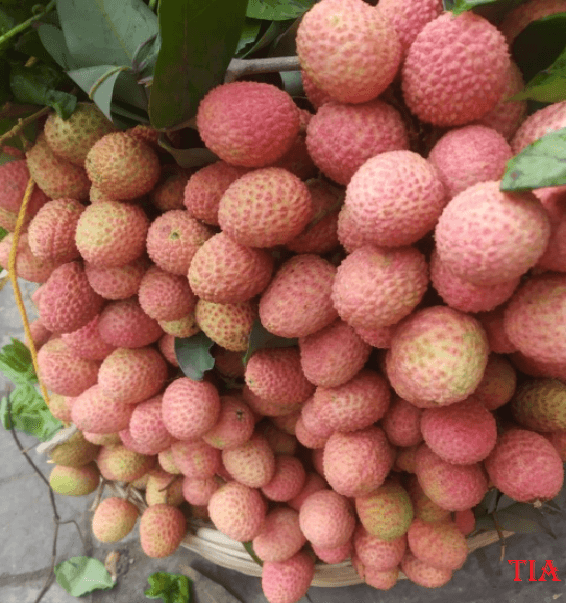
- Superior Quality: It is characterized by an excellent, vibrant red color and a high pulp-to-seed ratio.
- Taste Profile: It is distinctly sweet, juicy, and possesses a unique pleasant aroma that sets it apart from litchis grown in other parts of India, such as Bihar.
- Organic Appeal: Cultivated in the fertile, pristine environments of Assam, it carries immense appeal for health-conscious international consumers looking for naturally grown produce.
The Role of APEDA
APEDA has been aggressively working to bridge the gap between northeastern farmers and international buyers. By setting up robust cold-chain infrastructure, ensuring strict quality compliance, and organizing buyer-seller meets, the authority is successfully transforming the Northeast into a major hub for agricultural exports.