
Last Updated on May 10, 2019 1:42 am by INDIAN AWAAZ
All religions of the country need to be protected, says Sri Lankan PM
Colombo / agencies / WEB DESK
Muslim leaders in Sri Lanka have complained of harassment faced by their community after Easter Sunday attacks.
Several Muslim ministers and religious leaders held at a press conference here on Thursday highlighted difficulty faced by the Muslim community in wake of attacks.
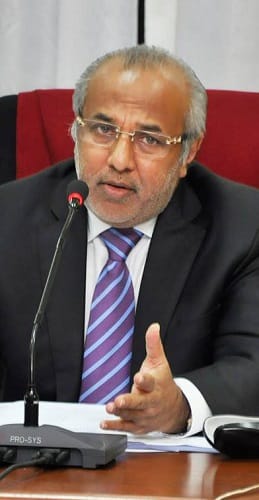 Minister and leader of Sri Lanka Muslim Congress Rauf Hakeem said that there is an attempt to portray the whole Muslim community as the culprit which is not right.
He said search operations by security forces should differentiate between normal criminal activities and terrorist-related incidents. President of All Ceylon Jamiyyathul Ulama (ACJU) Mufti Rizwe said Sri Lankan Muslims have provided all cooperation to security forces and shared vital information which led to several arrests.
He added that the community should not be harassed and targeted for the wrongs of a few wrongdoers. In a related development, Archbishop of Colombo Cardinal Malcolm Ranjith said that Catholic private schools might be opened on Tuesday.
He, however, added that these schools would be closed till Vesak holidays if there are fresh threats. The cardinal said that priests have been asked to decide whether to hold services at their churches this Sunday depending on the security situation.
Meanwhile, Sri Lankan Prime Minister Ranil Wickremesinghe has said that all religions of the country have special Sri Lankan characteristics which need to be protected while some Muslim leaders complained of harassment faced by their community after Easter Sunday attacks.
Prime minister while talking to reporters in Kandy, said it is because of these characteristics that they have a common Sri Lankan identity and cannot allow extremism to suppress it. He said they have to ensure there is no reoccurrence of such incidents adding that they can be prevented if they continue to remain vigilant of the threat.
At least 258 people including 45 foreigners were killed in the attacks on churches and hotels on Easter Sunday, which was carried out by local groups with the support of the Islamic state.
#Srilanka: Post Easter terror attacks Muslim community being targeted & harassed, says ACJU President Mufti M.I.M. Rizwe, urging fellow citizens not to stereotype community that vehemently condemned the "heinous"act. #lka via @the_hindu #EasterSundayAttacksLK pic.twitter.com/qN7MJxVai1
— Meera Srinivasan (@Meerasrini) May 9, 2019