
Last Updated on October 1, 2025 8:55 pm by INDIAN AWAAZ
ADITYA RAJ DAS / BIZ DESK
The Reserve Bank of India (RBI) on Wednesday introduced new measures aimed at expanding the international use of the Indian Rupee (INR) and other local currencies in cross-border trade.
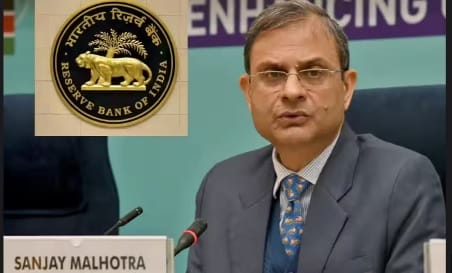
RBI Governor Sanjay Malhotra underlined the government’s long-term goal of internationalising the rupee, making it more widely accepted in global trade, finance, and investment. “We have been making steady progress in this regard,” he said.
Under the latest framework, Authorised Dealer banks in India, along with their overseas branches, may soon be permitted to extend loans in rupees to residents of Bhutan, Nepal, and Sri Lanka—including local banks in these countries. The move is designed to support trade and financial linkages with neighbouring economies. Regulatory amendments to enable this facility will be notified shortly.
In addition, the RBI plans to broaden the coverage of reference exchange rates published by the Financial Benchmarks India Limited (FBIL). At present, FBIL issues daily reference rates for USD, EUR, GBP, and JPY against the rupee. Going forward, the list will expand to include the currencies of India’s key trading partners. This will allow banks to quote directly in more currency pairs, minimise the need for multiple currency conversions, and lower transaction costs, thereby improving trade efficiency.
The RBI also announced an expansion of investment avenues for Special Rupee Vostro Account (SRVA) holders. First introduced in July 2022 to facilitate trade invoicing and settlement in INR, SRVAs will now be permitted to deploy their surplus balances not only in government securities and treasury bills, but also in corporate bonds and commercial papers.
These measures, collectively, are seen as a significant step toward positioning the rupee as a stronger settlement and investment currency in international markets, while also strengthening India’s trade relationships in the region.